Xinouhua Power
Xinouhua Power
Xinouhua Power
In the high-speed era of Industry 4.0, the Color Mark Sensor (also known as a contrast sensor or registration mark sensor) acts as the "eyes" of automated production lines. Whether it's the micro-second detection of cutting marks on flexible packaging or the precise alignment of labels on pharmaceutical vials, these sensors are the gatekeepers of quality and efficiency. China has emerged as a global powerhouse in this niche, blending sophisticated optical technology with the manufacturing resilience of the Pearl River Delta.
Modern industrial requirements have shifted from simple light/dark detection to multispectral RGB sensing. This evolution allows for the detection of subtle color nuances on high-gloss surfaces, metallized films, and even transparent materials. As a leading hub, Chinese factories are now integrating AI-driven calibration algorithms into these sensors, providing an information gain that traditional analog systems simply cannot match.
Standard Chinese-made sensors now offer jitter-free response times under 50μs, essential for lines running at 500 meters per minute.
Automatic selection of Red, Green, and Blue light sources ensures the highest possible contrast ratio on any background.
Designed for harsh environments, featuring chemical-resistant housings and vibration-proof mounting structures.

The technical trajectory of China's color mark sensors is moving toward integration. Early models relied on fiber optic cables for remote sensing, but the future lies in Smart CMOS integration. This allows for onboard processing of image data, enabling the sensor to "learn" the difference between a deliberate mark and a stain on the conveyor belt.
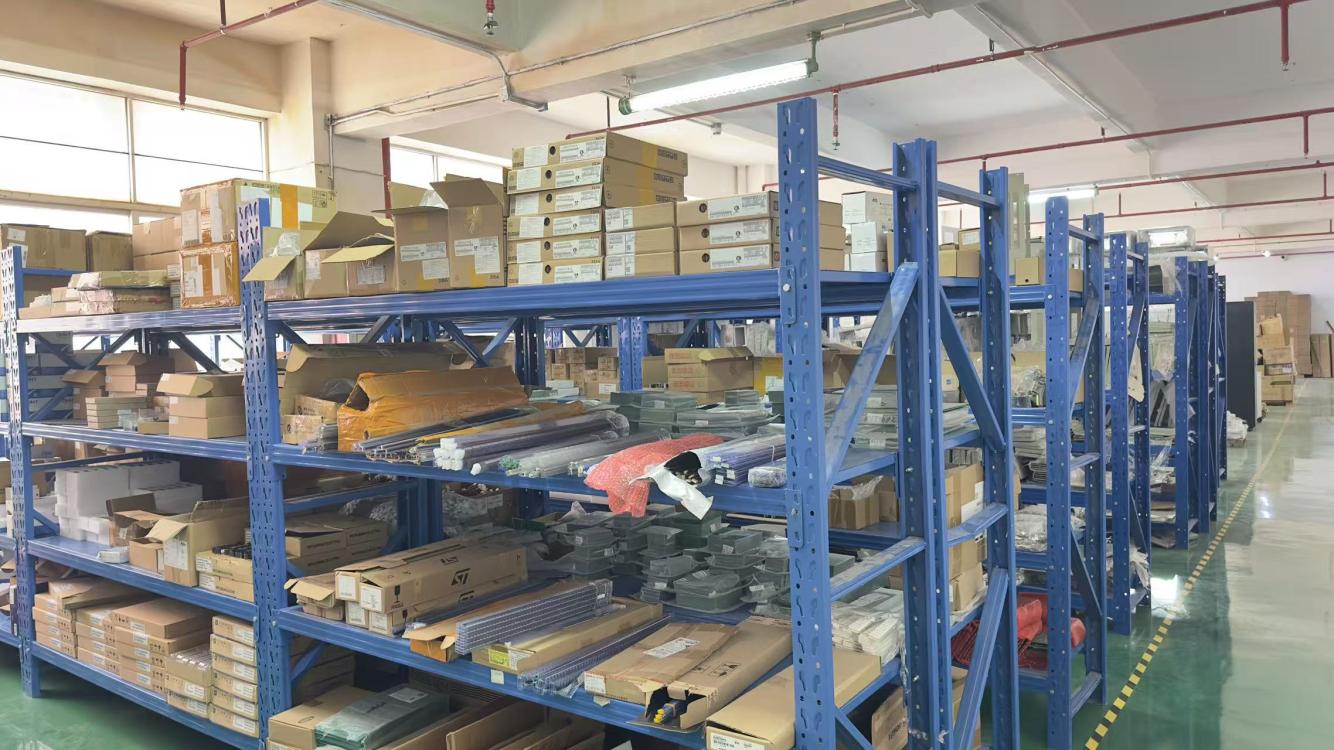
The "China Advantage" in the color mark sensor market is no longer just about cost; it is about the integrated industrial ecosystem. Located in the core electronic industry belt of the Guangdong-Hong Kong-Macao Bay Area, factories like ours benefit from immediate access to high-precision components, from semiconductor chips to specialized optical lenses.
This proximity allows for a compressed R&D cycle. While a typical product iteration might take 12 months elsewhere, Chinese suppliers can prototype and test new sensor configurations in a fraction of that time. Furthermore, the supply chain resilience was proven during global disruptions, where local vertical integration ensured that production lines never stopped moving.
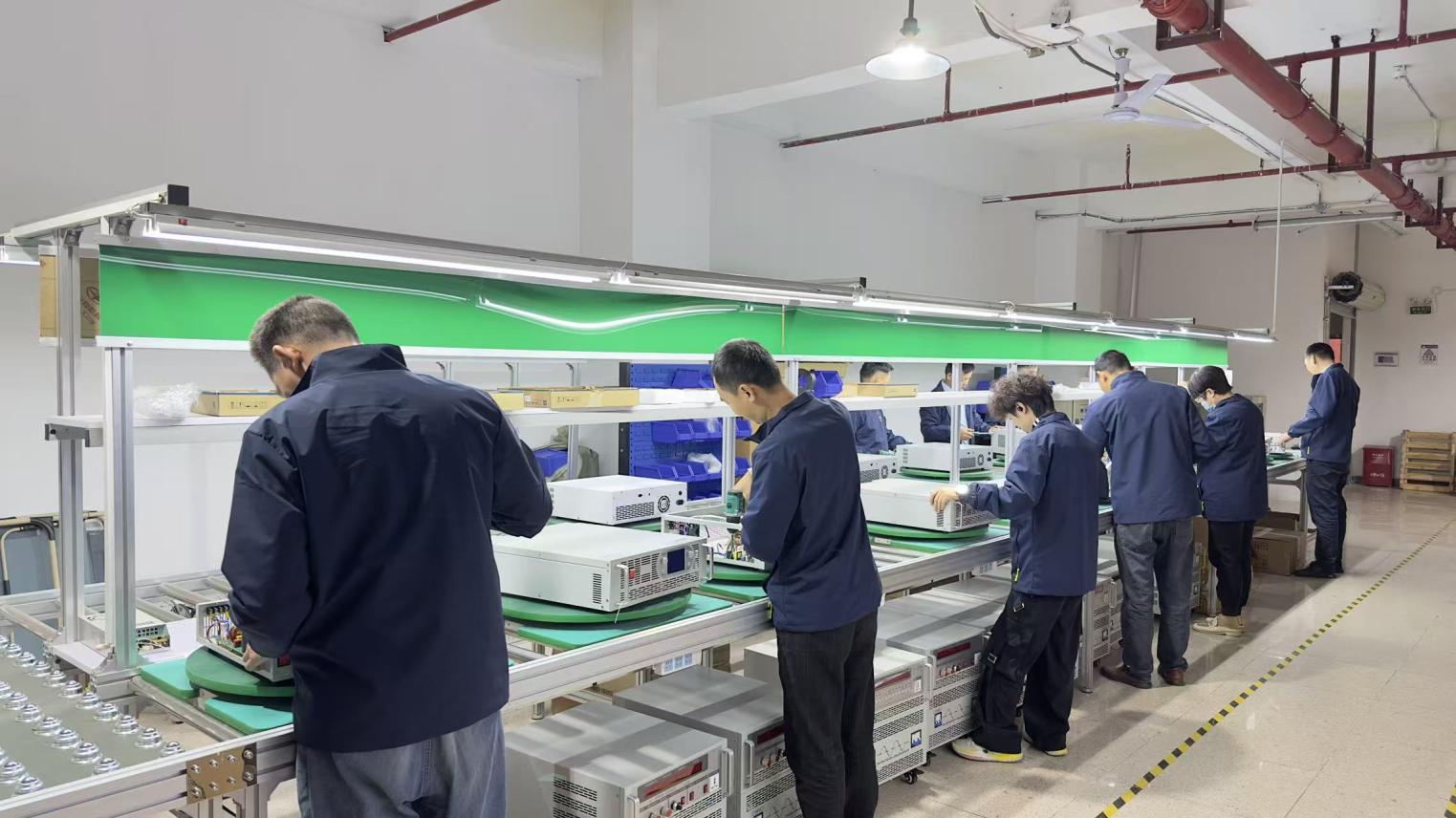
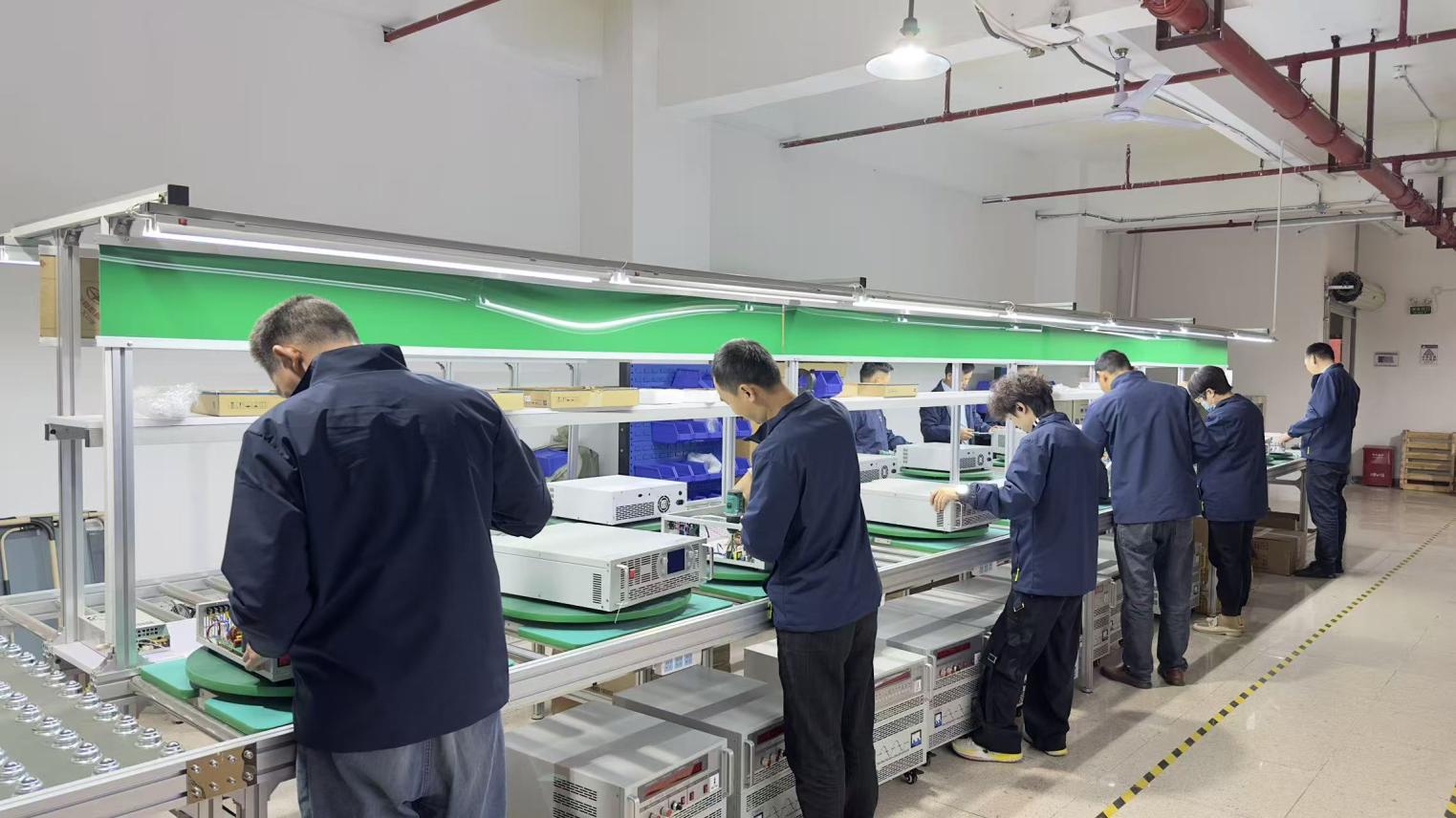
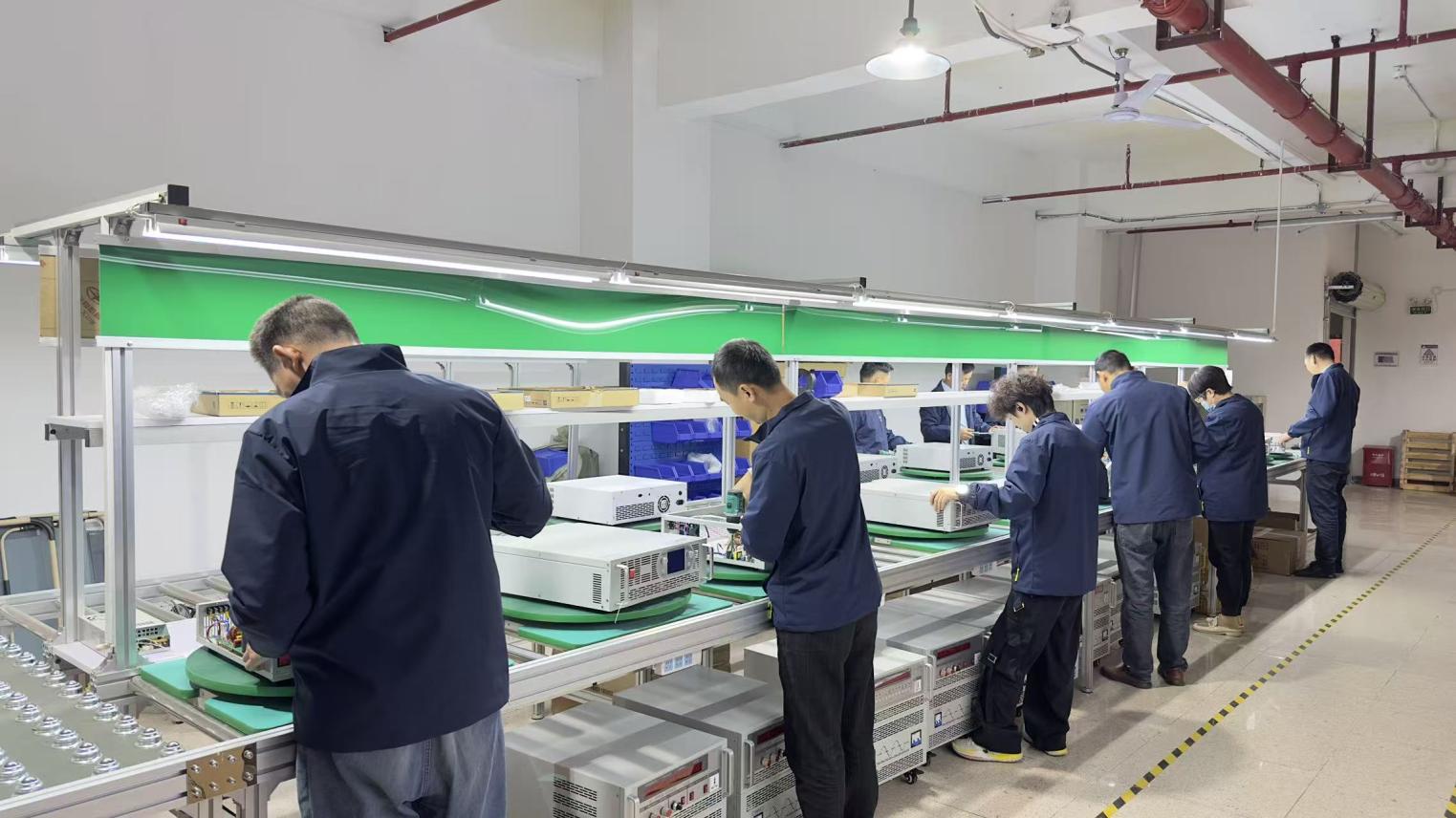
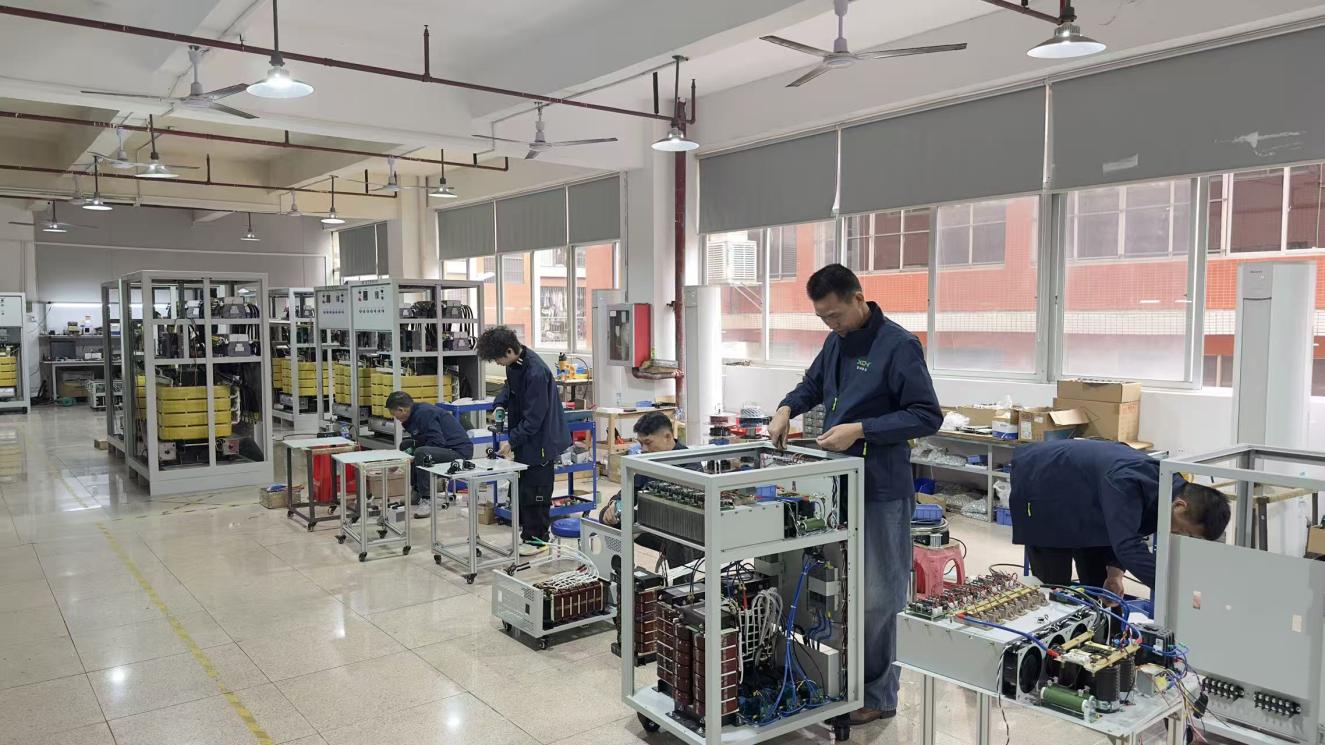
Our facility, spanning 1200 square meters, utilizes standardized production lines and a core technical team of 12 experts. This lean manufacturing approach ensures that even "custom" orders can be fulfilled with the same efficiency as mass-produced units, maintaining a 12-month warranty and full CE/RoHS compliance.
Detecting high-contrast registration marks on PE/PET films at speeds exceeding 400 bpm, ensuring zero-error cutting in food packaging lines.
Ensuring micro-millimeter precision for medicine bottle labels where missing or misaligned marks pose a safety risk.
Positioning sensing for electrode sheets in EV battery production, where chemical resistance and EMC stability are paramount.
Managing pattern alignment on moving fabrics, compensating for material stretch and surface texture variations in real-time.
Working in wash-down environments to identify fill-level marks and cap alignment through condensation and splashes.
High-speed identification of color-coded sorting marks on diverse parcel surfaces in automated distribution centers.
Most modern Chinese sensors feature auto-source selection. The sensor evaluates the background and the mark simultaneously and selects the color that provides the maximum contrast (e.g., using a green light to detect red marks on a white background).
Yes. By angling the sensor at 10-15 degrees or utilizing polarized filters, specular reflection is minimized, allowing for stable mark detection even on foil or shiny plastic.
IO-Link allows for digital parameter setting and diagnostics. You can monitor the "health" of the sensor and receive alerts if the lens becomes dirty, preventing unplanned downtime.
By maintaining strict ISO certifications, employing R&D teams with 20+ years of experience, and providing documented test results (like CE/RoHS) for every batch, ensuring transparency and reliability.
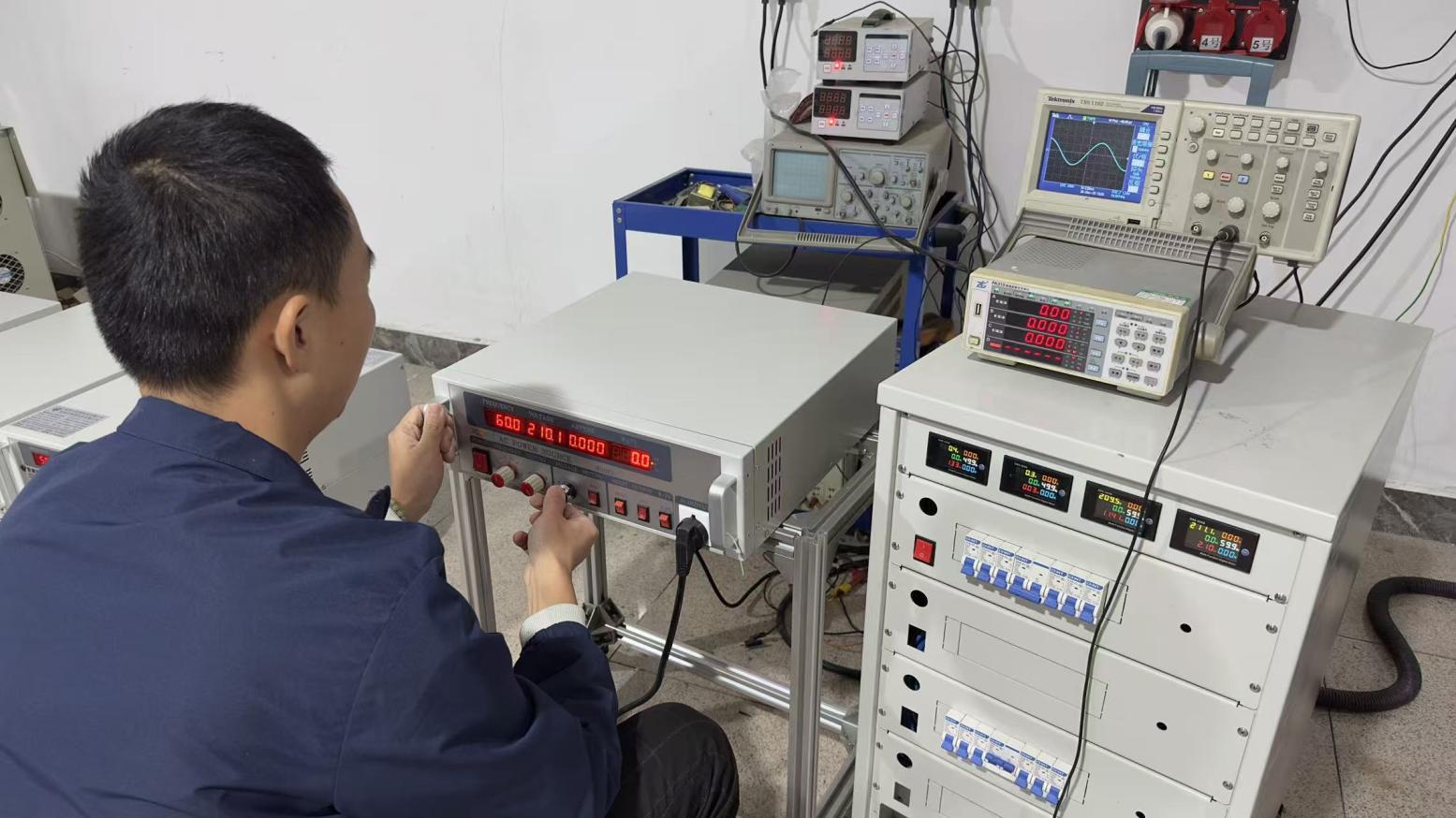
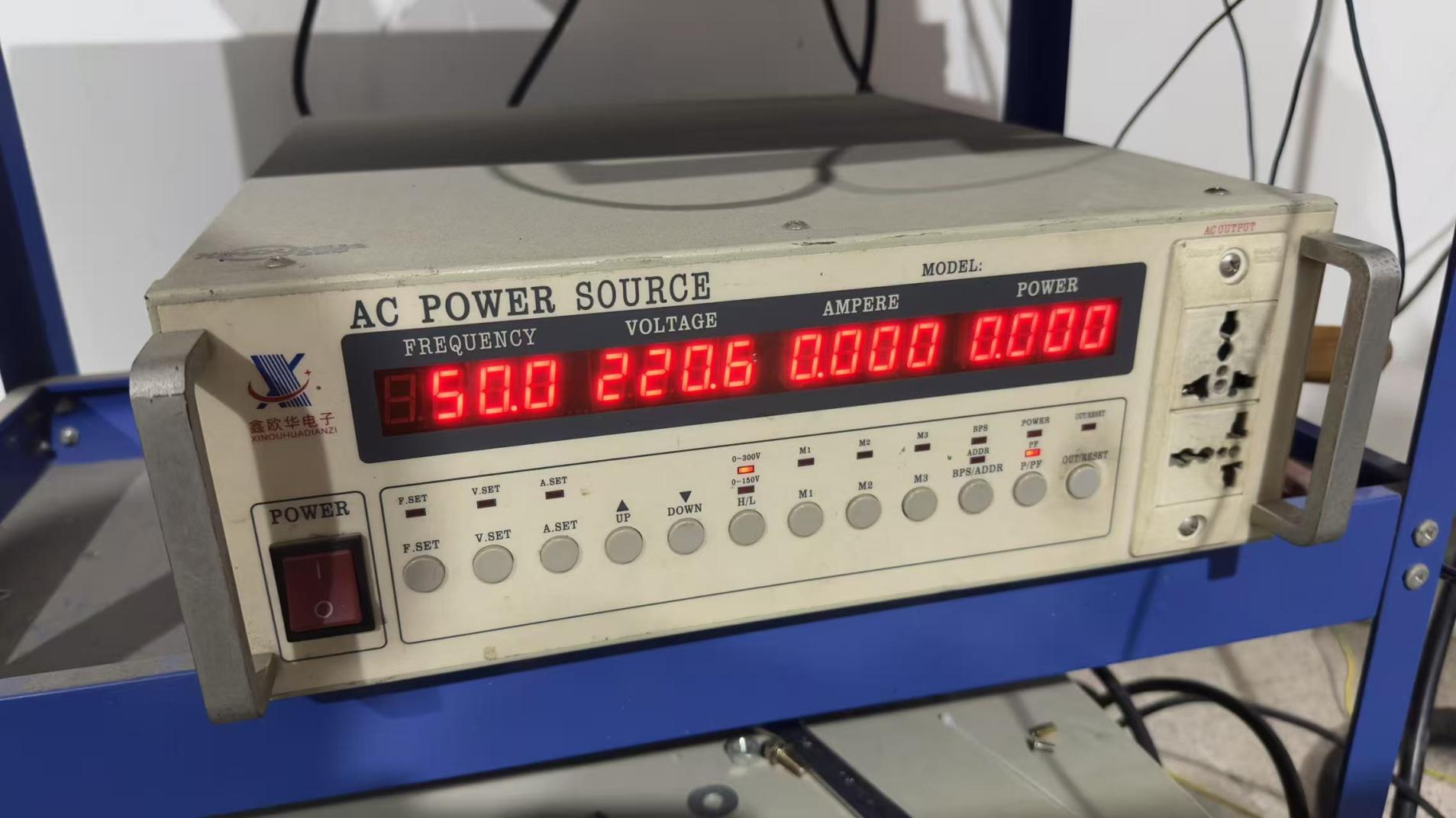 AC Power Source
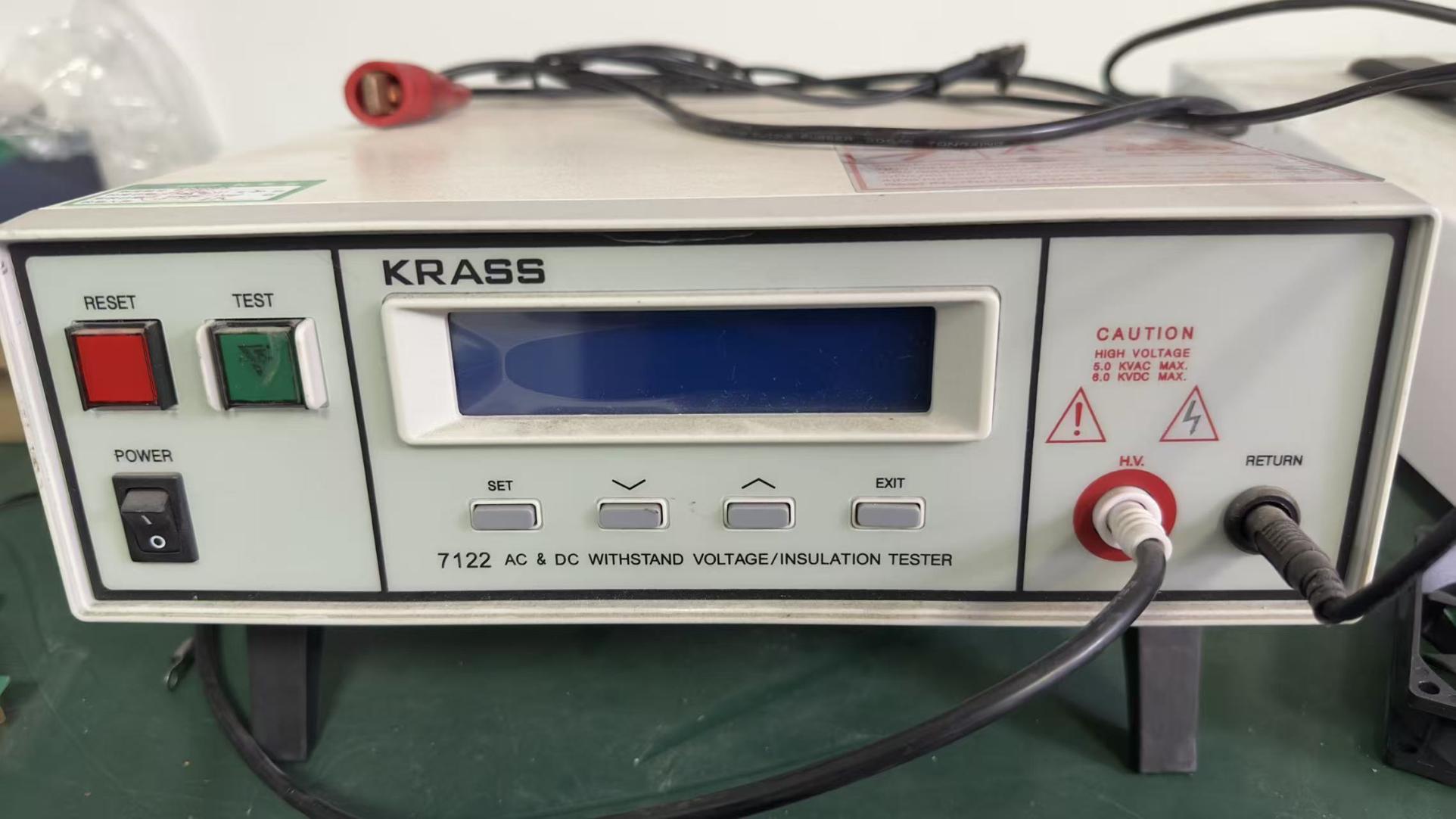 Voltage Insulation Tester
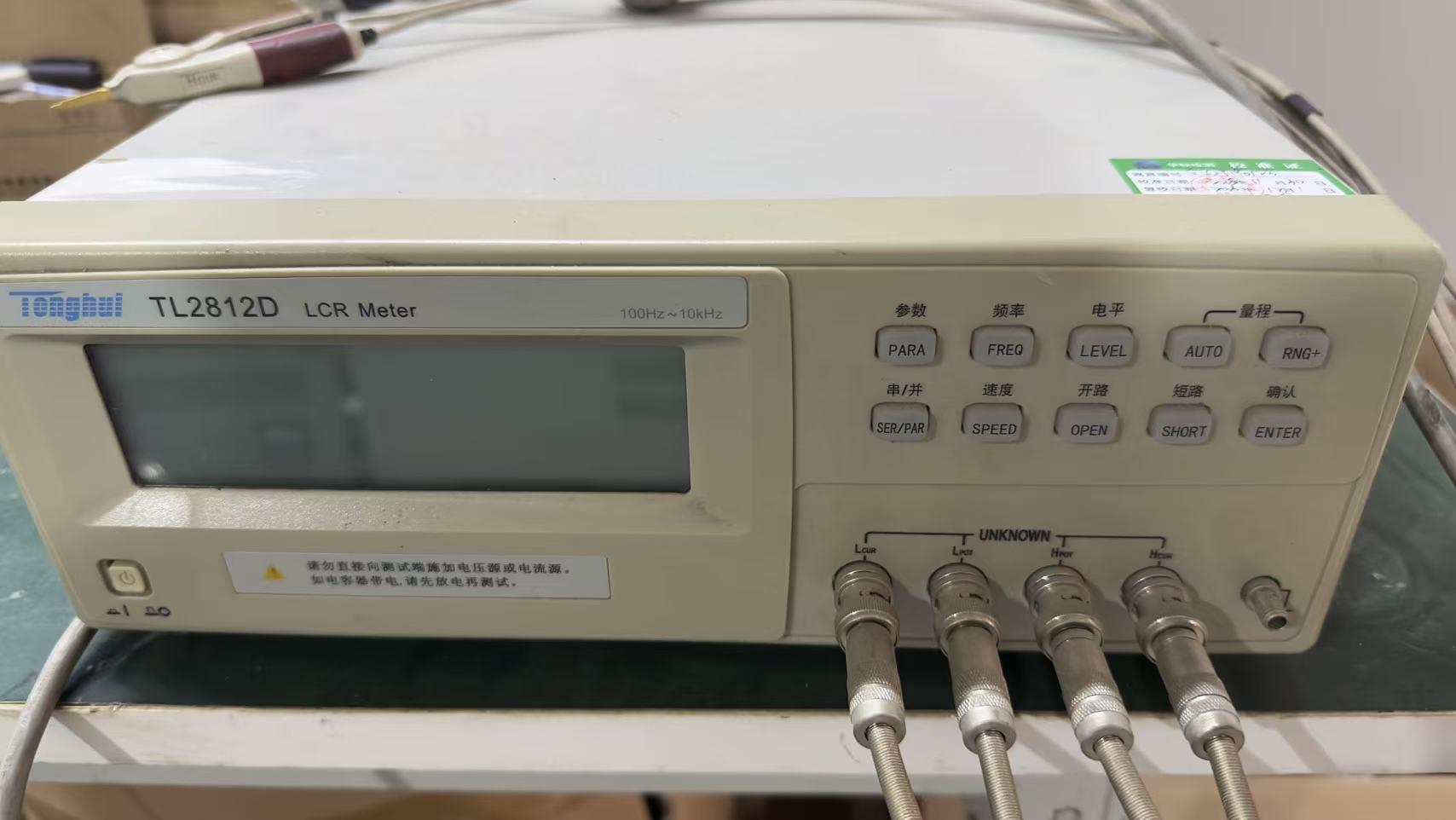 LCR Meter
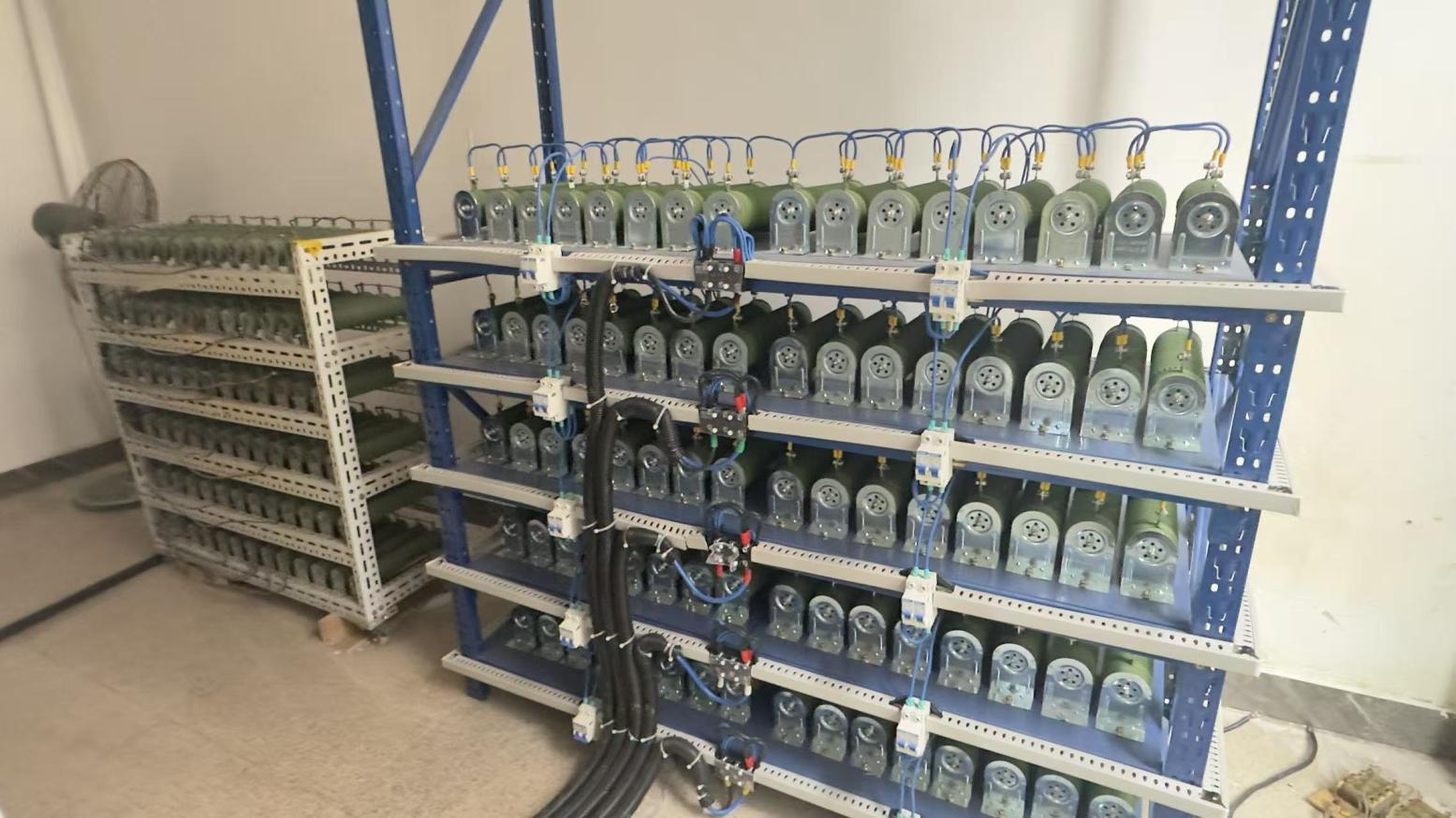
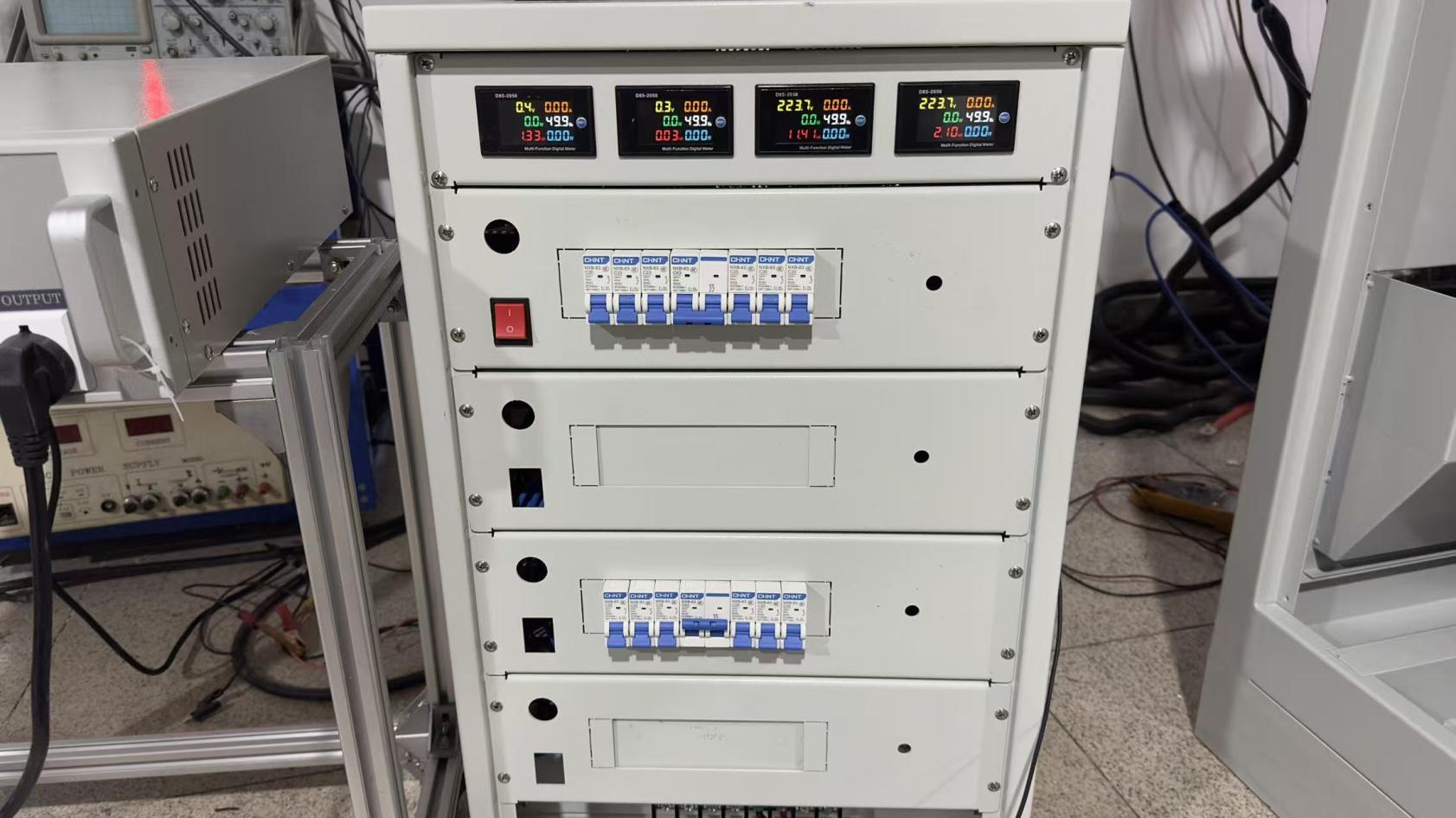 Load Box
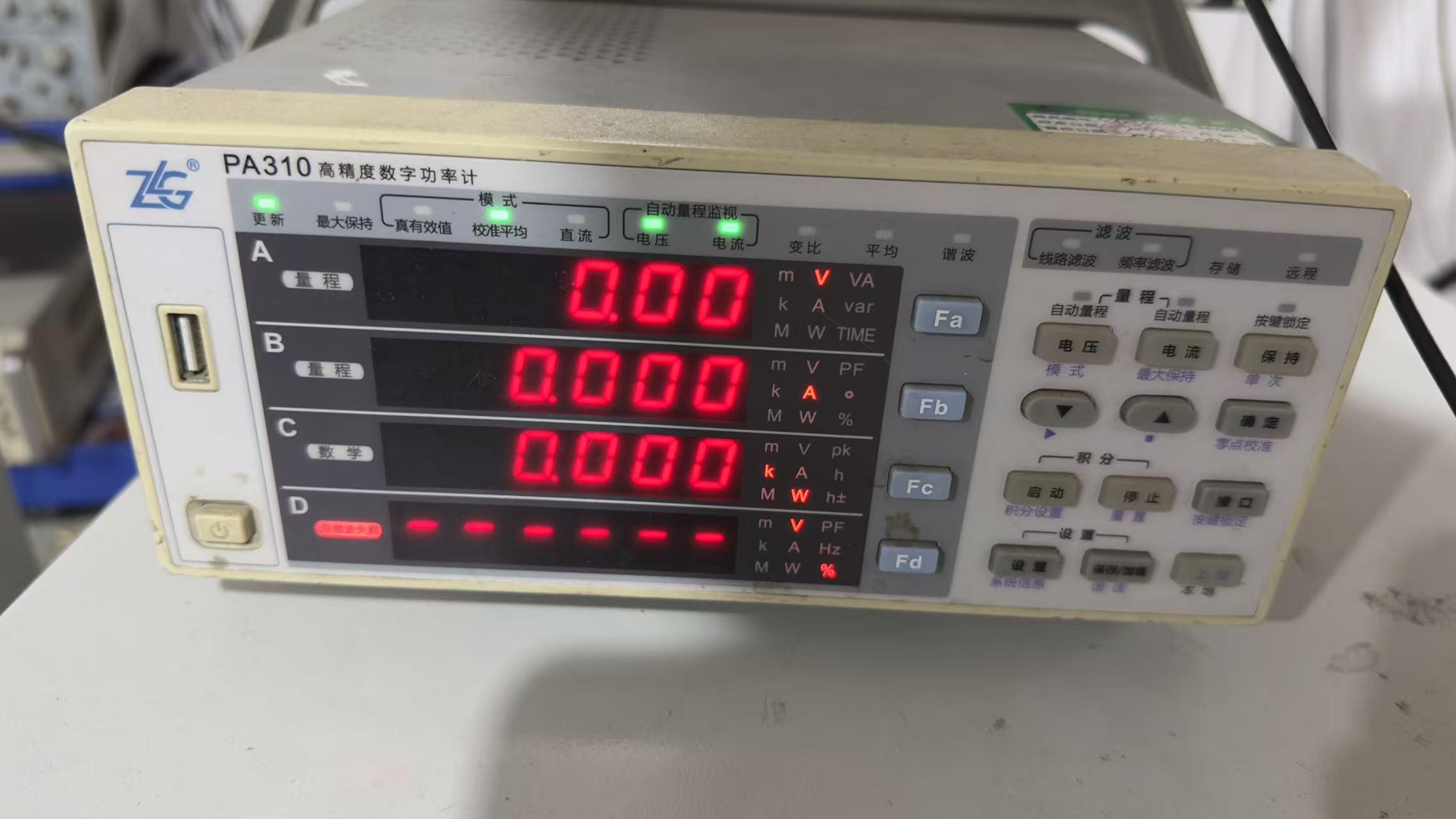 Digital Power Meter
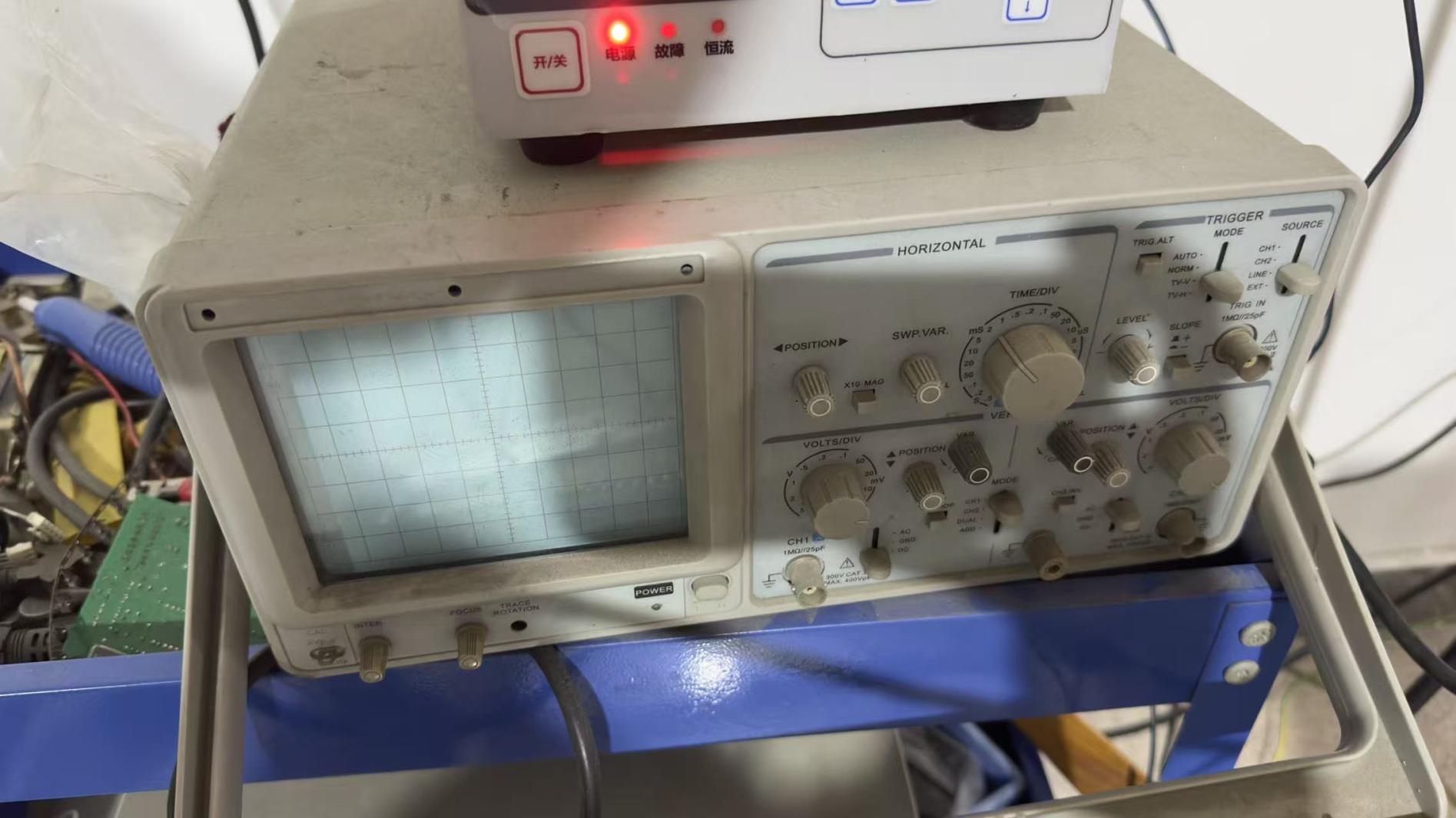 Analog Oscilloscope
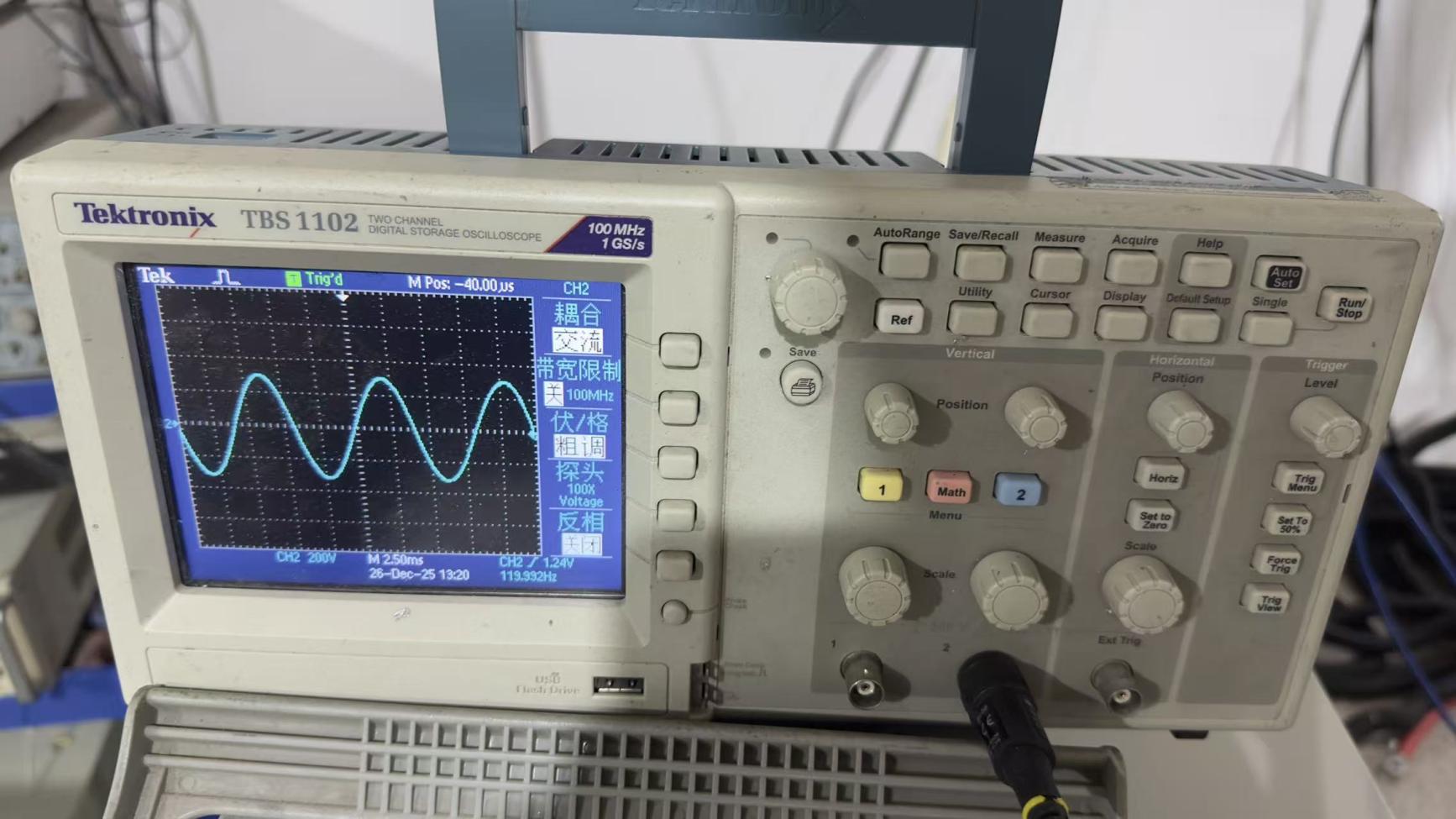 Digital Oscilloscope
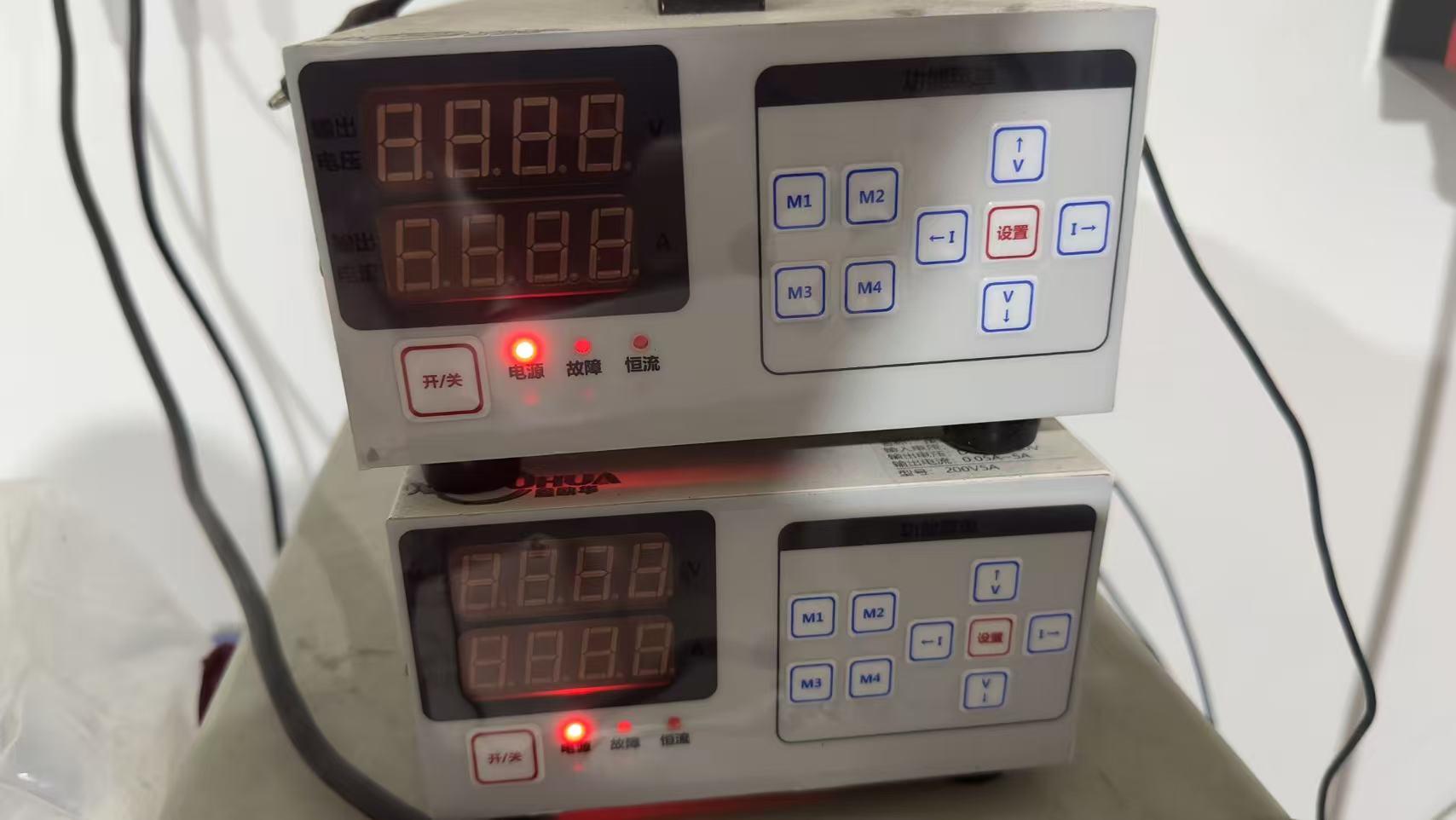 DC Power Supply