 Xinouhua Power
Xinouhua Power
Xinouhua Power
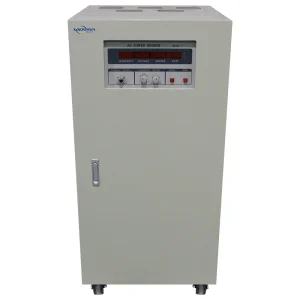 60KVA High Voltage 380V AC DC Single Phase Variable Power Supply Rectifier
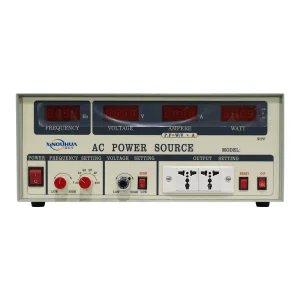 115V 400Hz Ac Power Source 1Kva Ac Power Supply
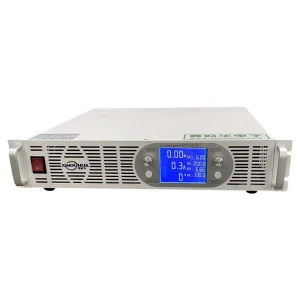 Single 100 Amp Lab Variable 3 Phase Programmable Laboratory Ac Dc Power Supply
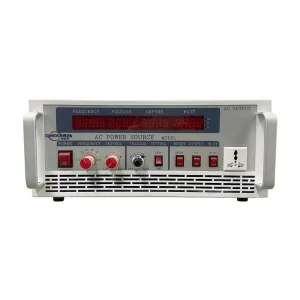 3kVA Single AC/AC Switching Power Supply Converter for Industrial Inductive Loads
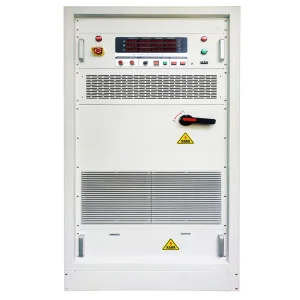 Variable Frequency 200kVA AC Power Supply with 150/300V Output
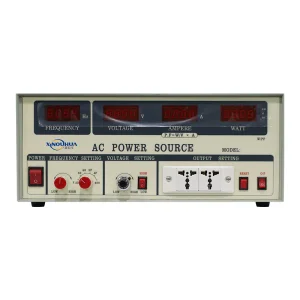 Single Variable Regulated Source 30V Programmable AC/DC Power Supply
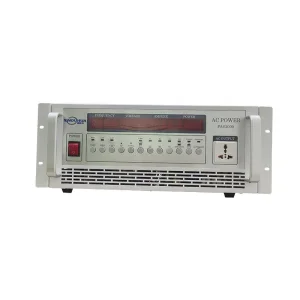 3KVA 1 Phase Lab Power Supply 400Hz Aircraft Electric Frequency Converter
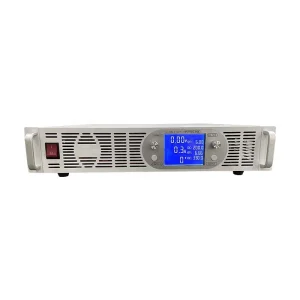 5kw 19-Inch Rack Mount Precision Rack Programmable AC DC Power Supply
In the rapidly transforming landscape of global industrial automation, proximity sensors have transitioned from simple "on-off" switches to sophisticated data-collection nodes. As a cornerstone of "Industry 4.0," these sensors enable machines to perceive their environment with unparalleled precision. China, particularly the Greater Bay Area, has emerged as the global epicenter for proximity sensor manufacturing, blending cost-efficiency with high-tier technological innovation.
The integration of IO-Link technology and smart diagnostic capabilities is defining the new generation of sensors. Modern manufacturers are focusing on miniaturization without sacrificing sensing range.
Precision sensors require ultra-stable power environments for calibration. High-power DC and variable frequency sources, such as those provided by Xinouhua Electronic Technology, are critical in the sensor aging and testing phases.
From automotive assembly lines in Germany to smart warehouses in the USA, Chinese proximity sensors are achieving over 30% of the global market share through rigorous adherence to CE and RoHS standards.
As we analyze the "Semantic Search" intent of global buyers, several key trends emerge that redefine what it means to be a "Top Manufacturer" in China:
Inductive proximity sensors remain the workhorse of the metal-processing industry, but we are seeing a 25% year-on-year growth in demand for capacitive sensors capable of detecting non-metallic objects (liquids, powders, plastics). The "Information Gain" here lies in the multi-functional capability—one sensor, multiple detection types.
Global procurement teams are no longer just looking at price. They are evaluating the "Supply Chain Resilience." Manufacturers in the Guangdong-Hong Kong-Macao Bay Area are leading this by adopting Factory 4.0 standards, utilizing solar-powered testing facilities and energy-efficient power converters (like 80%+ efficiency rectifiers) to reduce the carbon footprint of every sensor produced.
Localized application scenarios now include deep-sea exploration, aerospace components, and ultra-high temperature steel mills. Sensors must now feature IP69K ratings, requiring manufacturers to have sophisticated laboratory-grade testing equipment to simulate these harsh environments.
The manufacturing of proximity sensors is not an isolated process. It relies on a robust ecosystem of electronic components and precision power systems. Guangzhou Xinouhua Electronic Technology Co., Ltd. exemplifies this synergy.
Located in the core electronic industry belt, Xinouhua provides the high-power DC power supplies and frequency converters that allow sensor manufacturers to maintain 24/7 production lines with "Zero-Downtime" reliability. This industrial infrastructure is why China remains the preferred choice for global procurement: it's about the Efficiency Advantage.

Guangzhou Xinouhua Electronic Technology Co., Ltd. is located in the core electronic industry belt of Guangdong, Hong Kong and Macao Bay Area, focusing on the R & D and manufacturing of high-power DC power supply. The company has 1200 square meters of modern production space, equipped with 2 standard production lines, and a core technical team of 12 people; 20 years of industry experience, strictly following international standards, and the products have passed the EU CE certification, building a full-link quality management from research and development, production, and testing system to ensure the excellent performance, safety and stability of each power supply.
With the product concept of "high power density, high reliability and high application value", we provide accurate test support and high stability power system solutions in automotive electronics, electric motors, photovoltaic new energy, third-party testing laboratories and other fields.
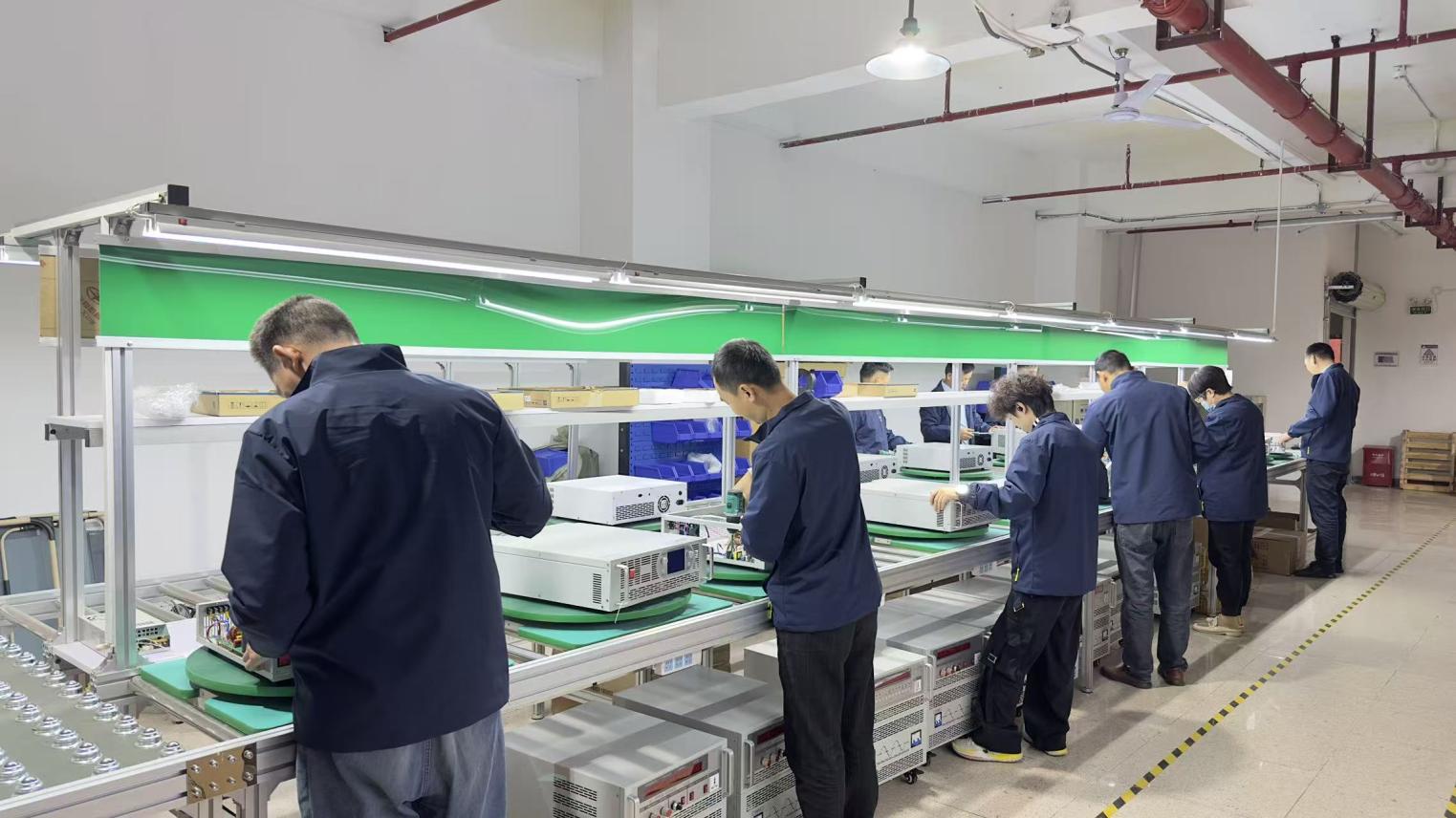
Advanced R&D Facility
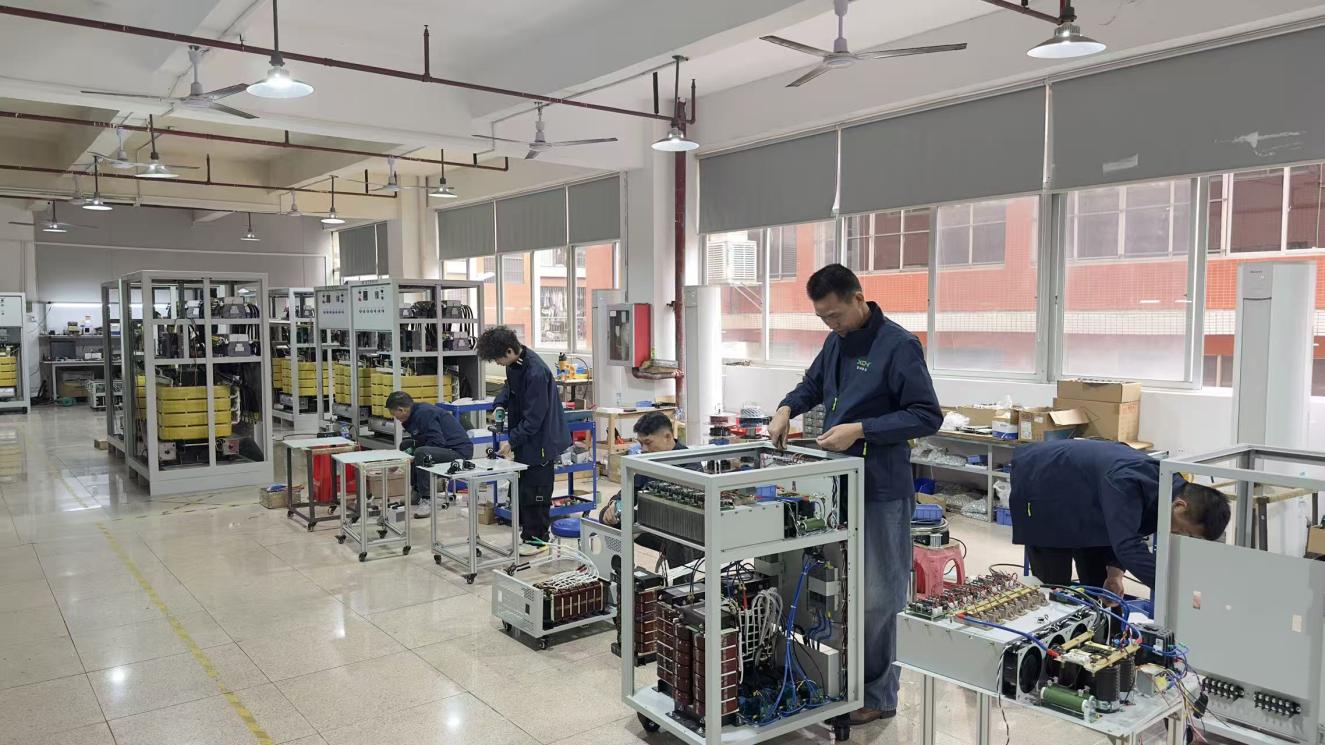
Testing Center
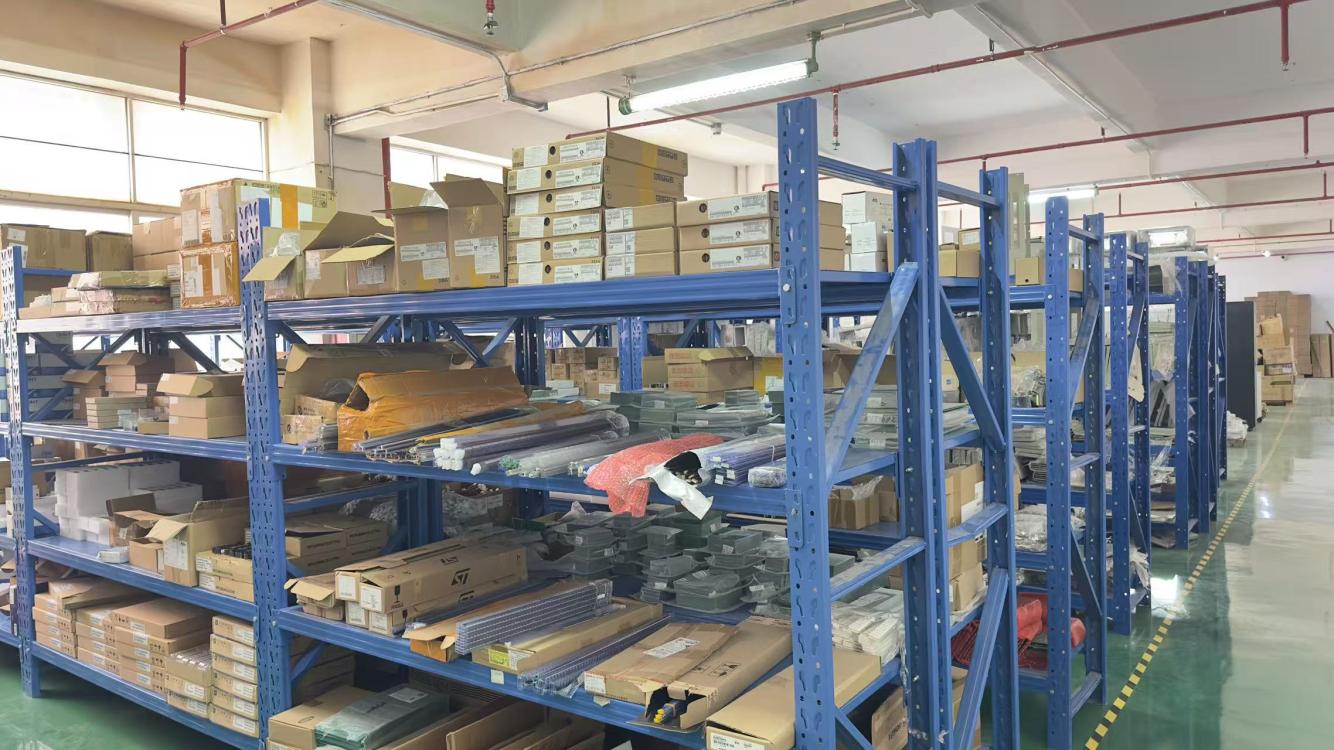
Precision Assembly
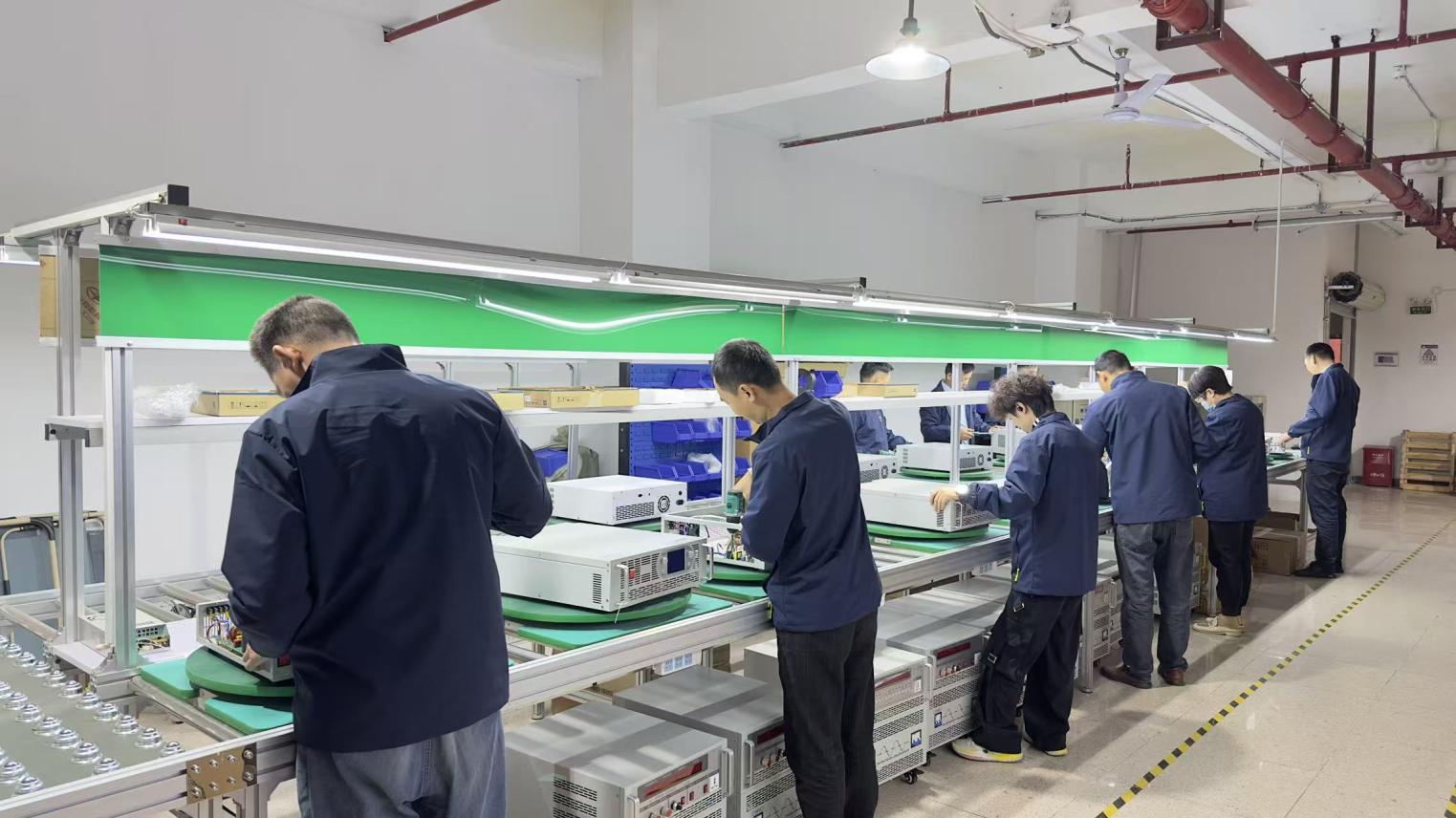 Assembly
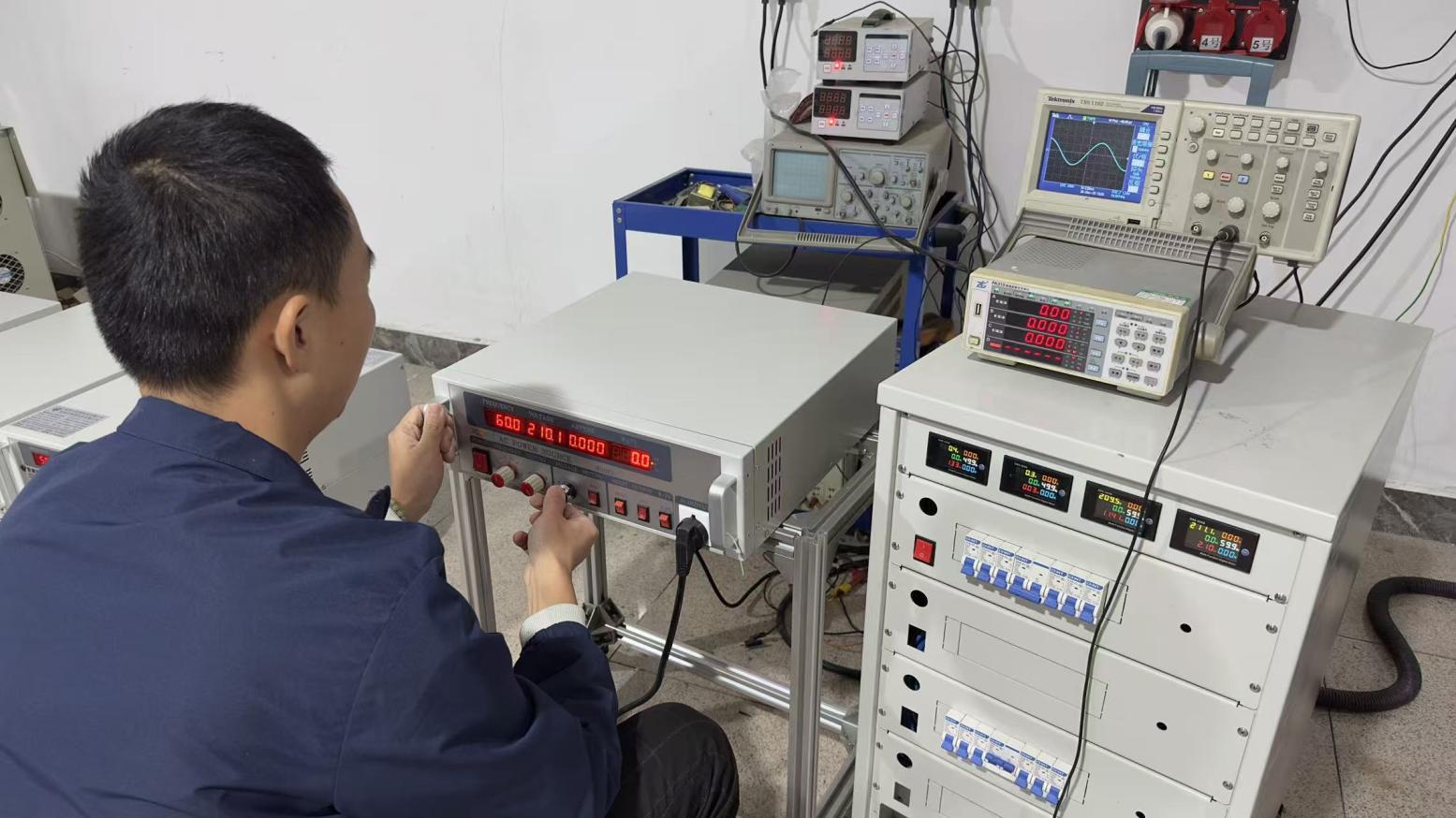 Testing
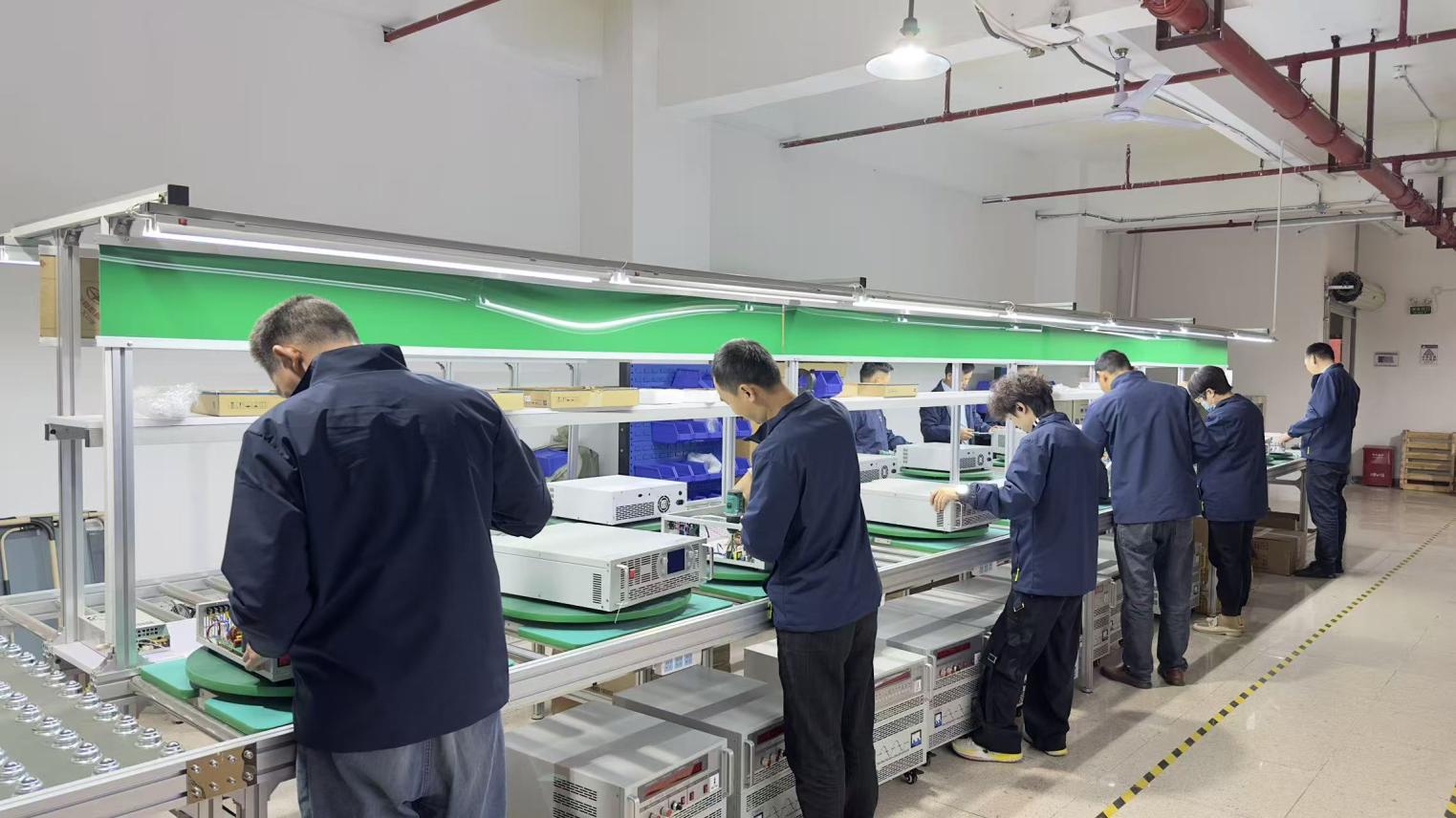 Assembly Line
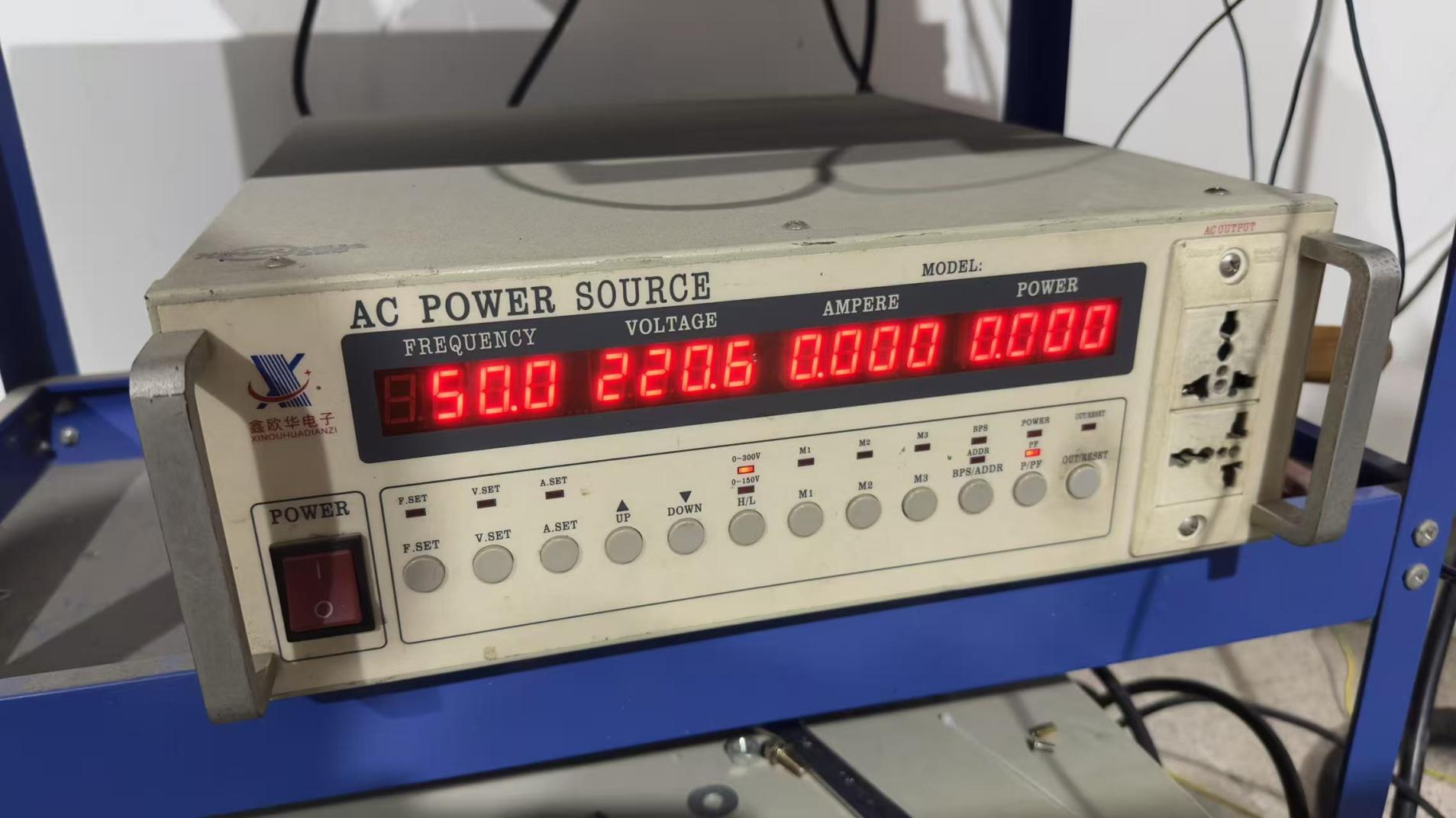 AC Power Source
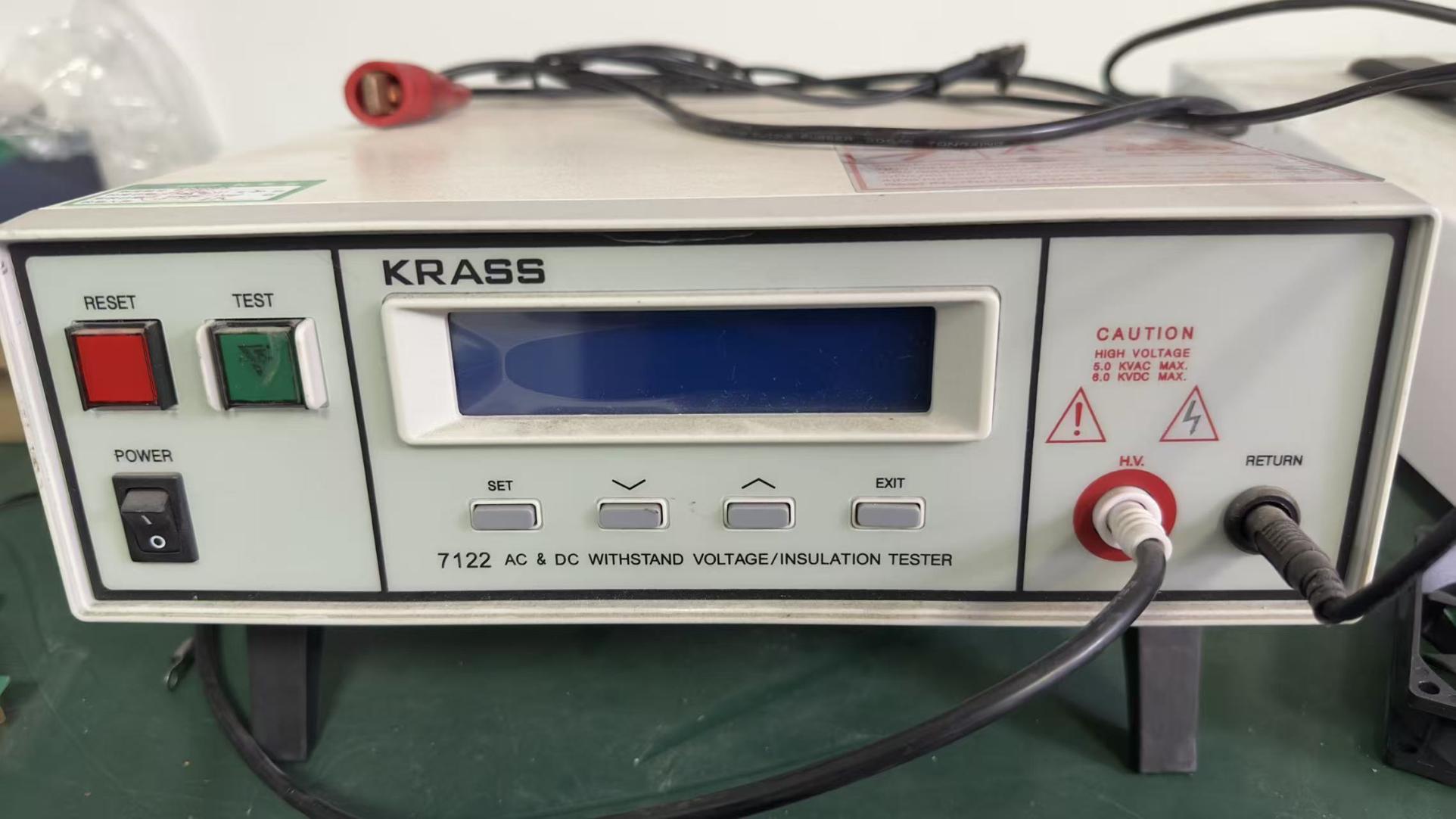 Voltage Insulation Tester
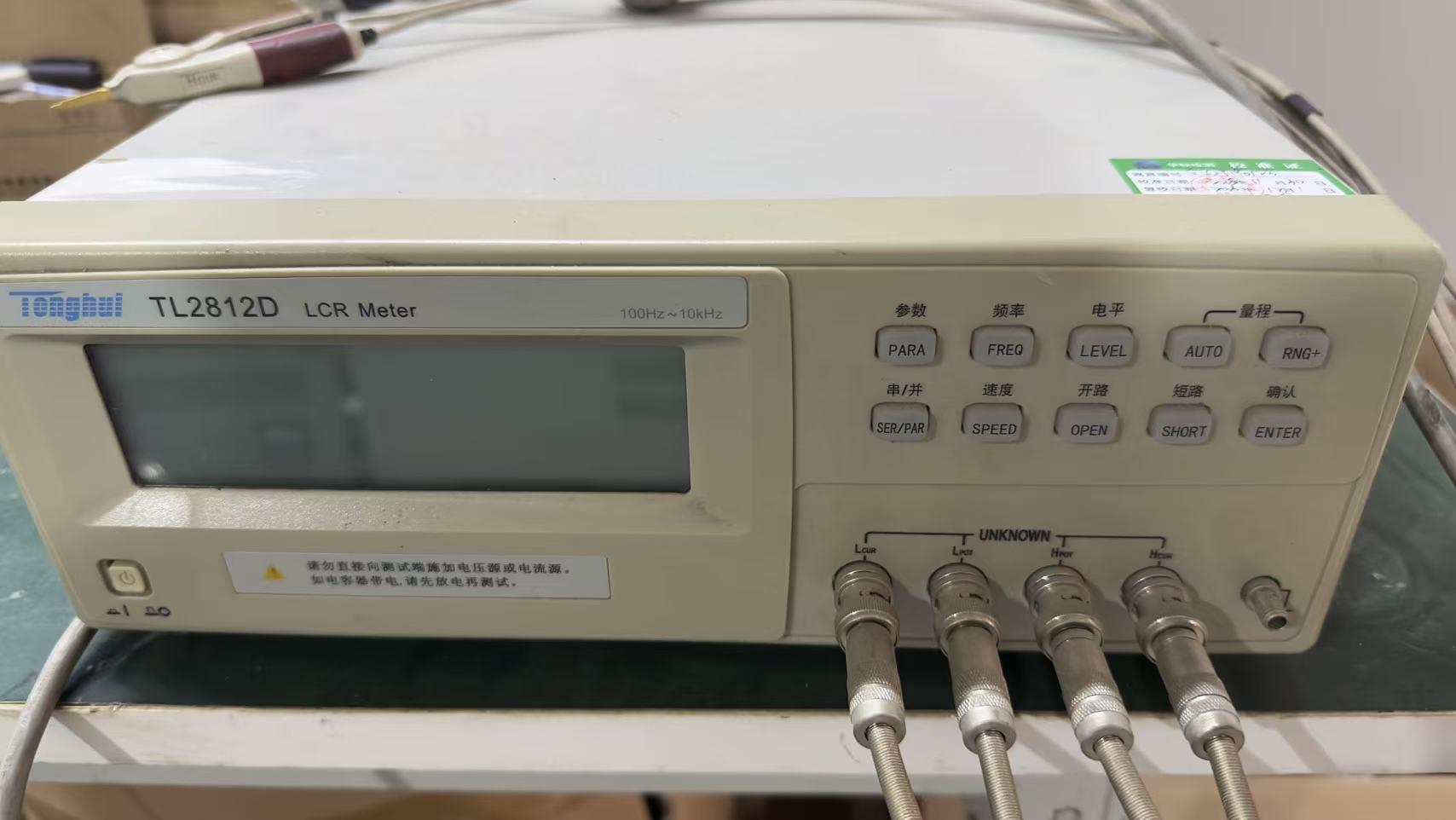 LCR Meter
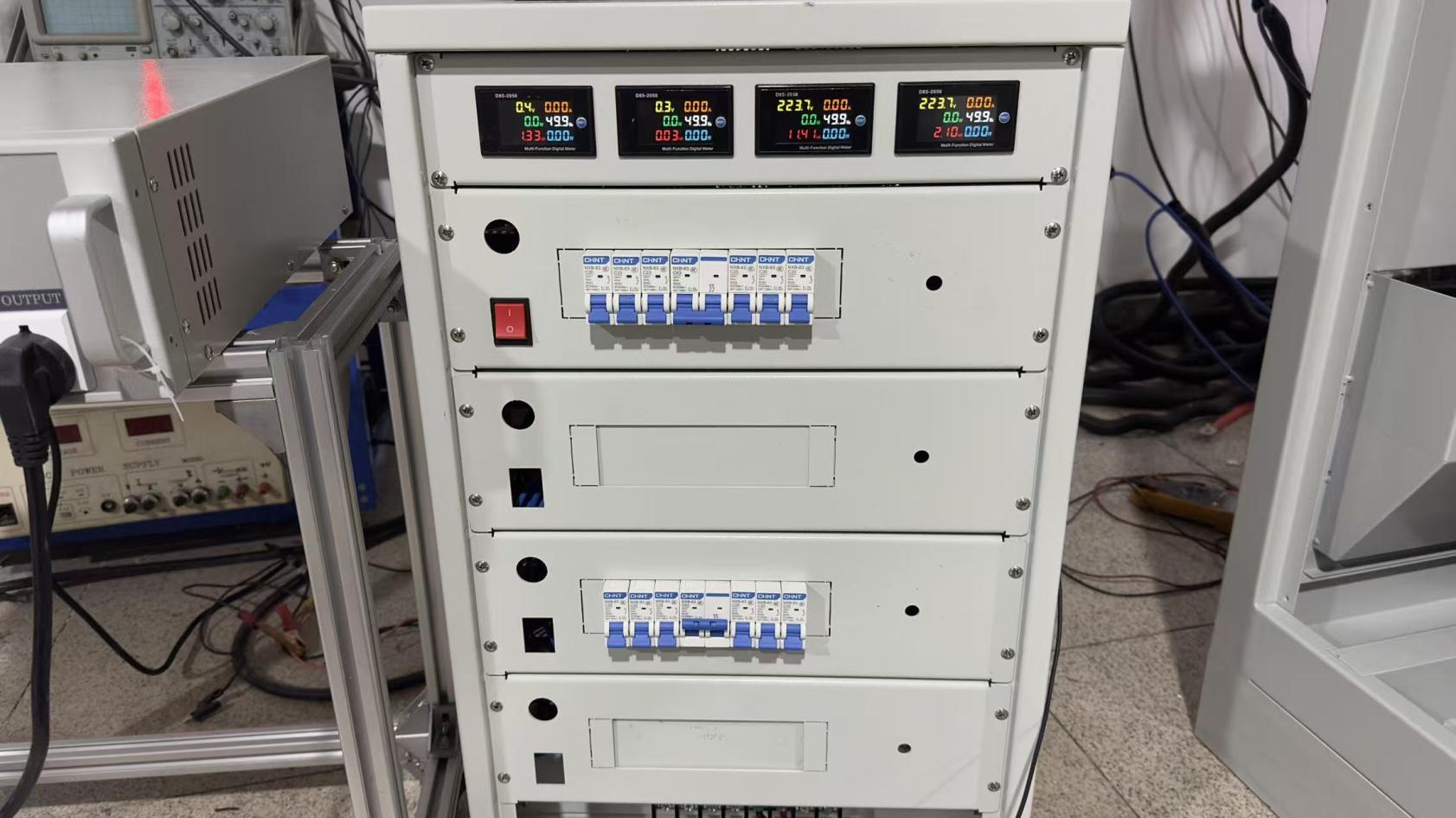 Load Box
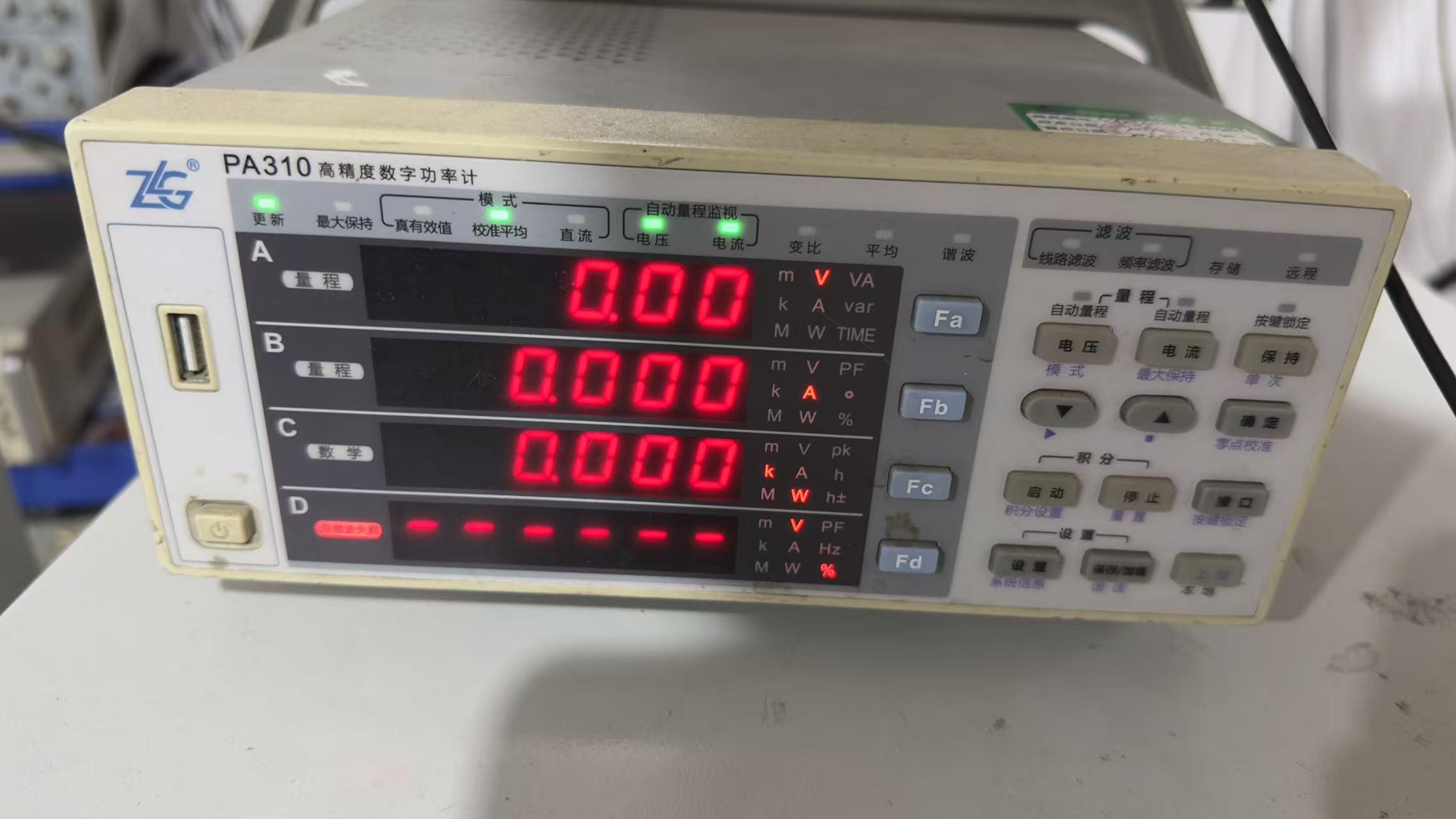 Precision Power Meter
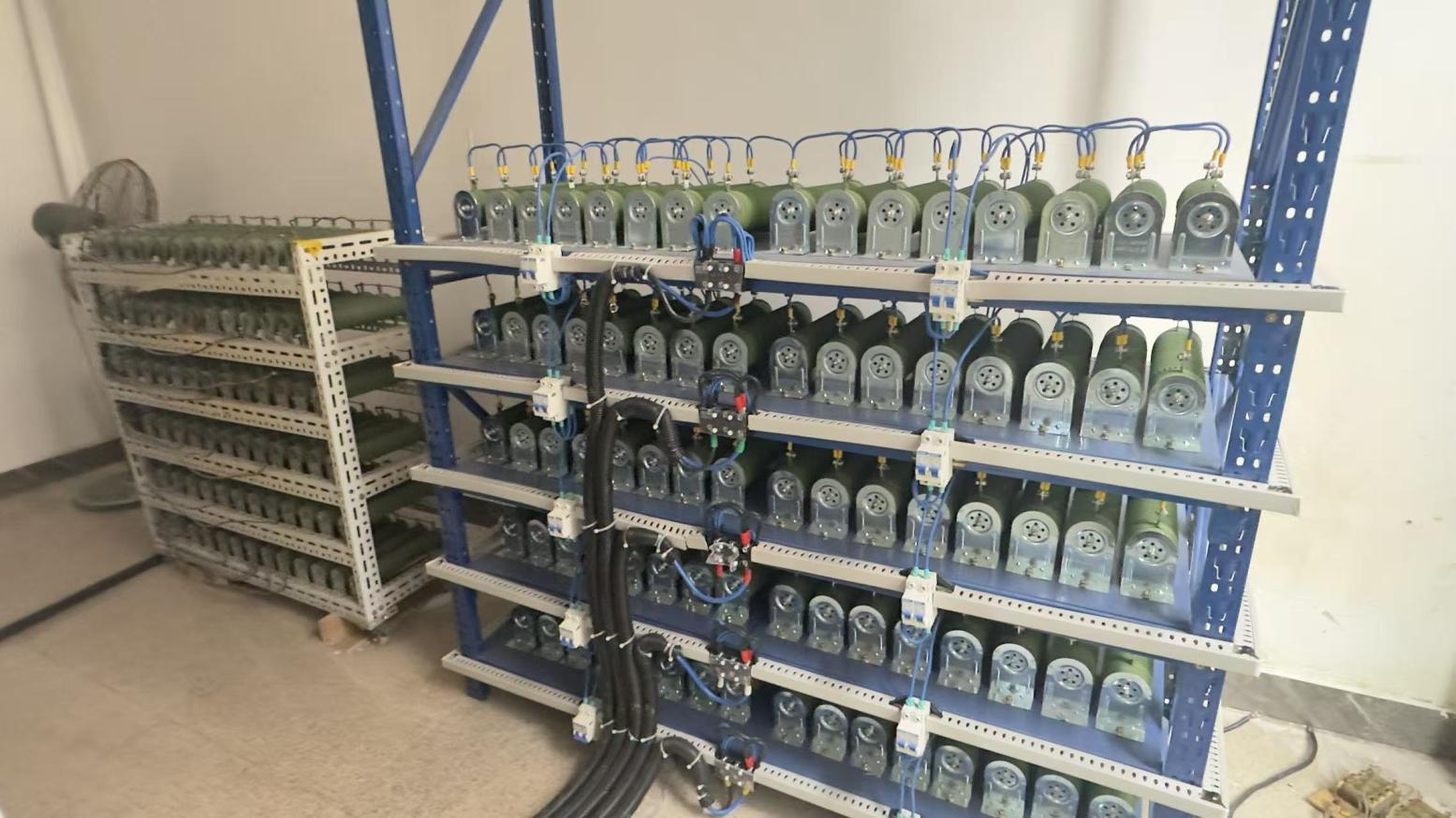 Aging Rack
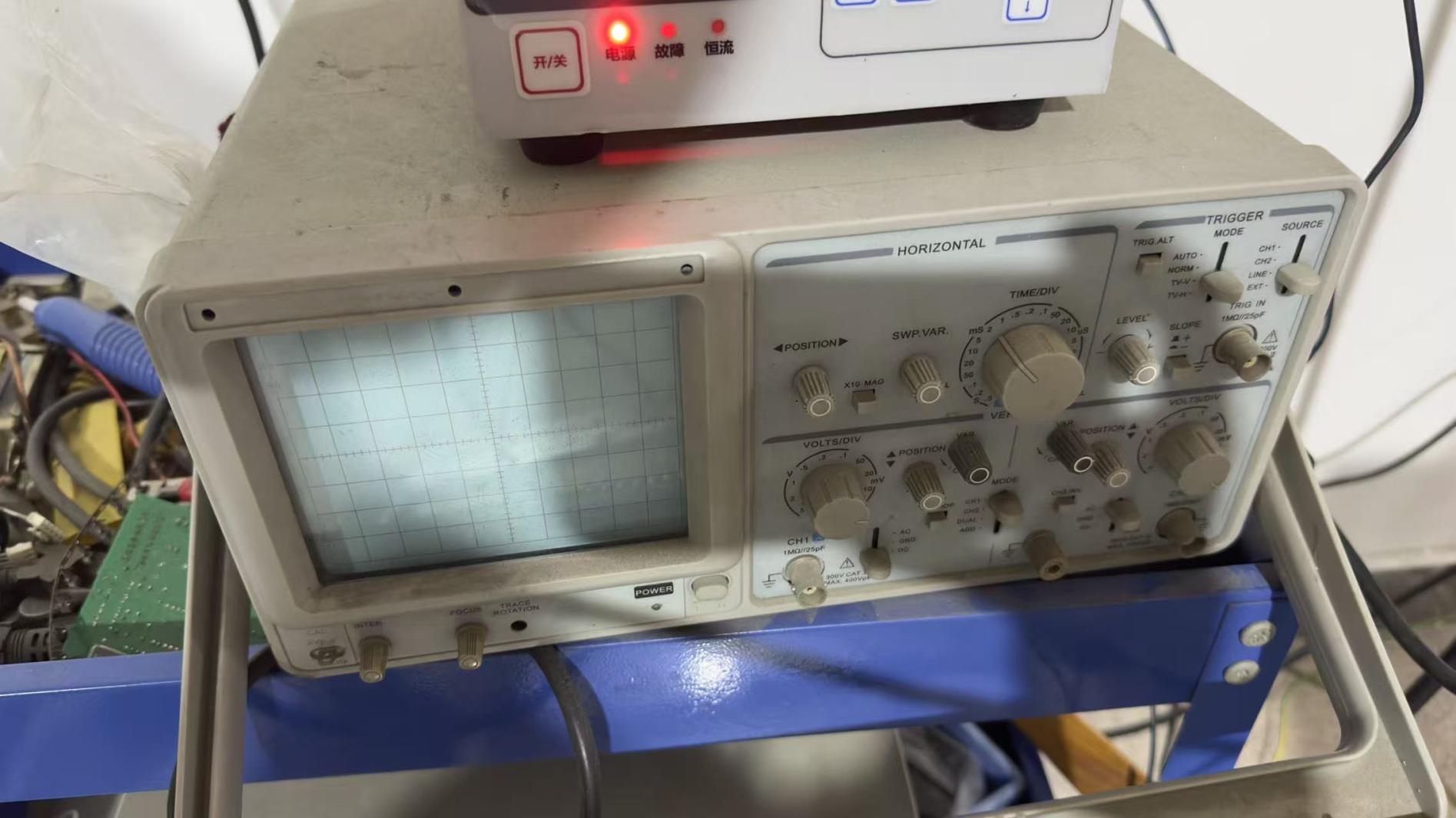 Analog Oscilloscope
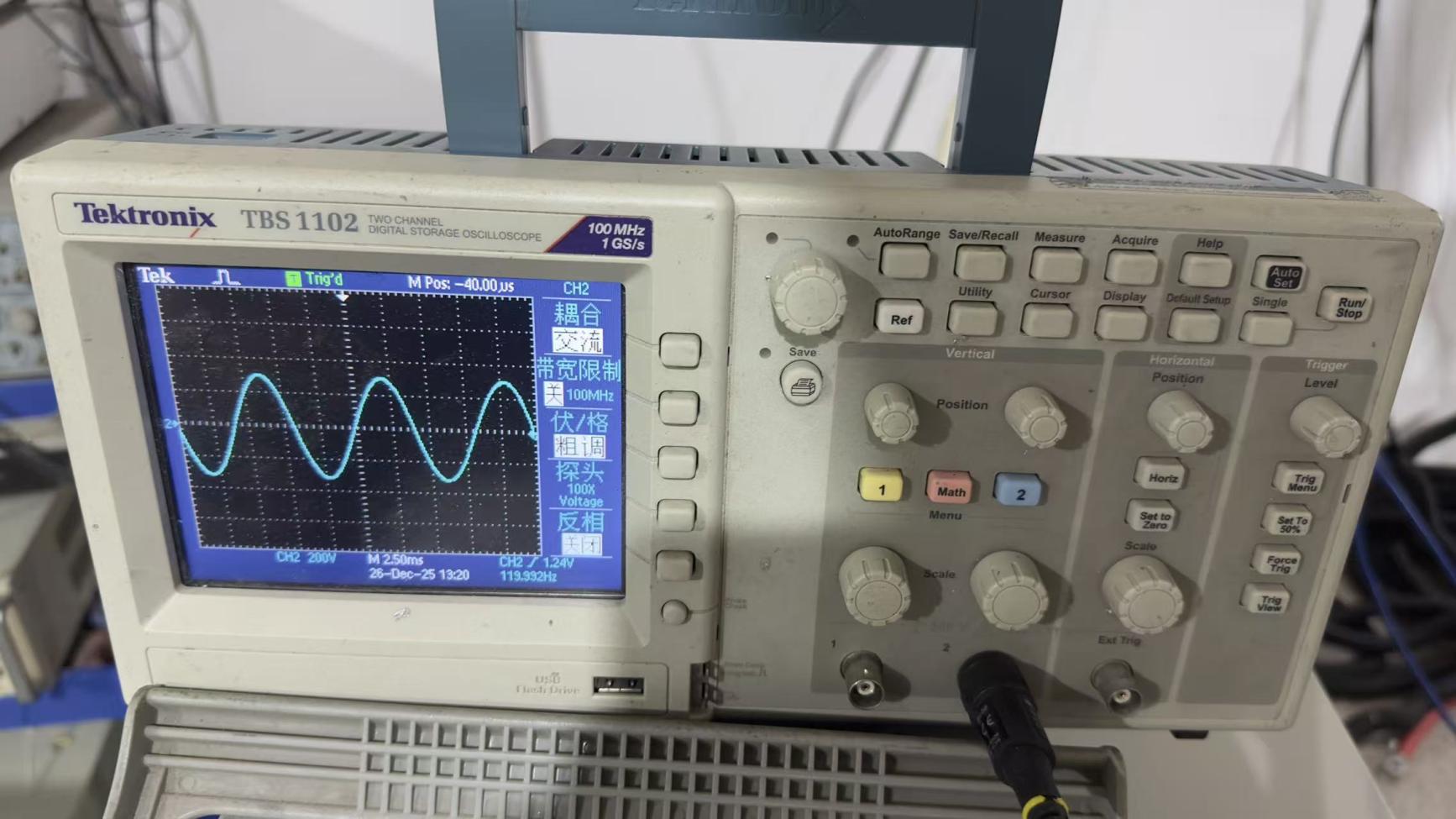 Oscilloscope
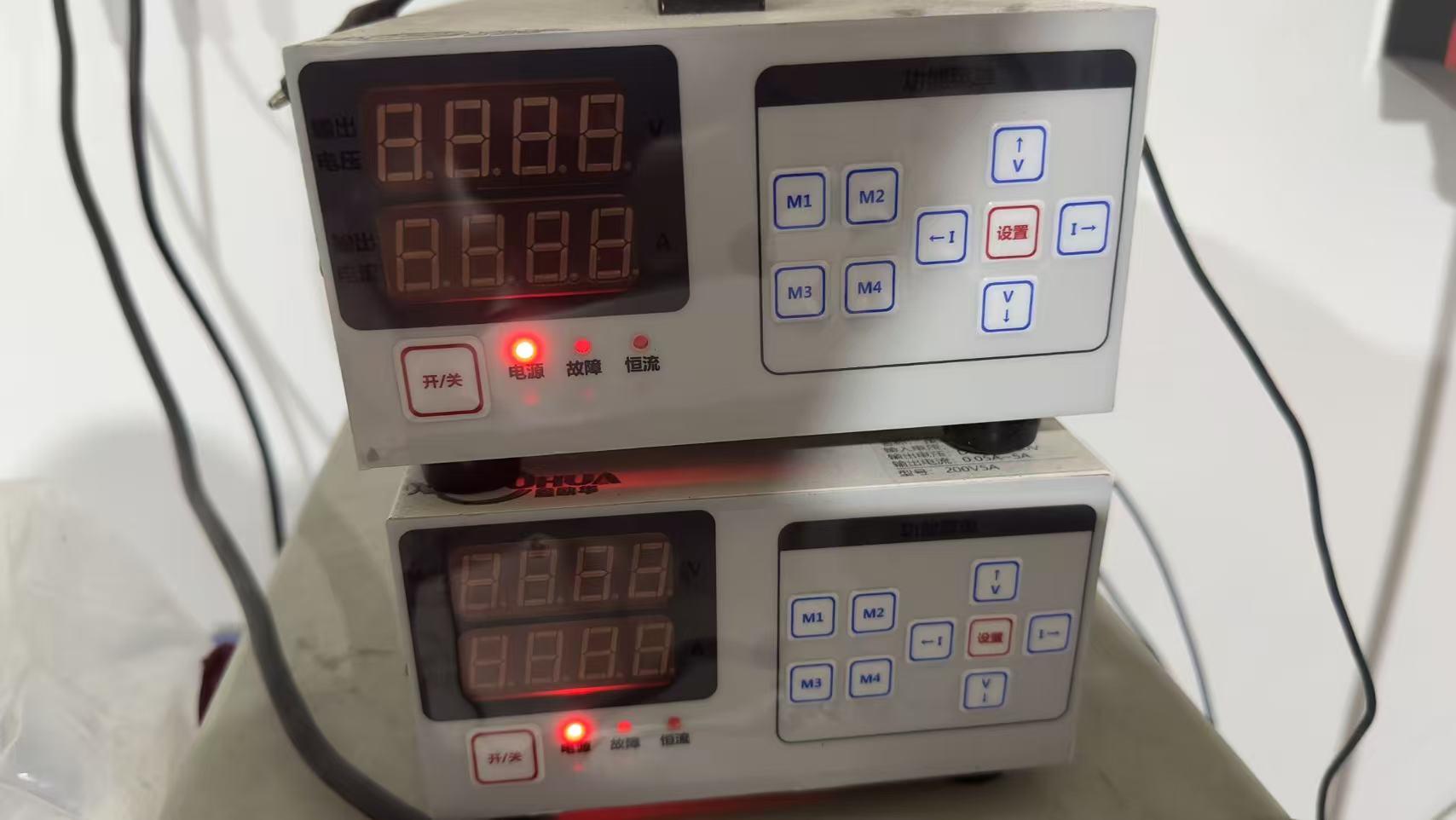 DC Power Supply
In robotic welding and assembly, inductive proximity sensors ensure precise positioning of car frames. High-stability power supplies are used here to prevent sensor interference during high-voltage welding pulses.
Photovoltaic tracking systems use sensors to orient solar panels toward the sun. These sensors must withstand high UV radiation and extreme temperature swings, requiring components tested on high-precision aging racks.
Capacitive sensors monitor fill levels in bottles through packaging. These must be washdown-resistant (IP69K), ensuring hygiene while maintaining electronic integrity.
A: Top manufacturers specialize in Inductive (for metals), Capacitive (for liquids/non-metals), Ultrasonic (for distance/transparency), and Photoelectric sensors. Each type is optimized for specific industrial applications like logistics, packaging, and automotive assembly.
A: Proximity sensors operate on micro-currents. Any ripple or noise from the power source during the testing or calibration phase can lead to "false triggers" or inaccurate sensing distances. Utilizing precision programmable DC power supplies ensures each sensor meets its technical datasheet specifications.
A: Leading factories implement full-link quality systems, adhering to ISO 9001 and gaining CE/RoHS certifications. This includes rigorous aging tests using specialized racks and high-frequency converters to simulate global power grid conditions (e.g., 115V/400Hz for aerospace or 230V/50Hz for Europe).
A: Yes, top-tier manufacturers offer OEM/ODM services to customize sensing ranges, housing materials (stainless steel vs. plastic), and connection types (M8, M12, or pigtail) to meet specific industrial requirements.
 Adjustable 60V 10A Digital Laboratory Industry Use DC Power Supply
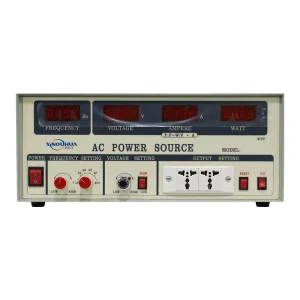 Xinouhua Single Phase Pure Sine Wave DC-AC Inverter
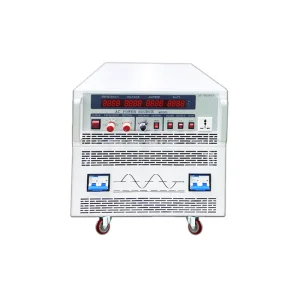 PA62005A 5KVA PROGRAMMABLE AC POWER SOURCE
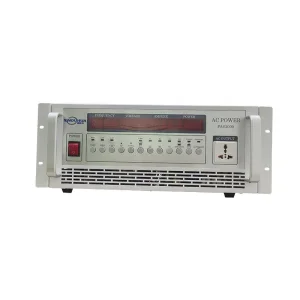 Storage DC/AC Inverter Single Phase Variable Frequency Power Supply
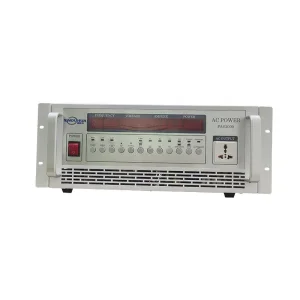 Single 0-1000v Frequency Laboratory Voltage Regulator Variable Ac Dc Power Supply
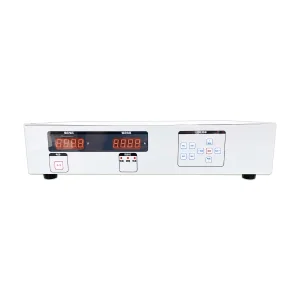 Adjustable Power Supply 30V 10A 20A 30A Lab DC Switching Power Supply
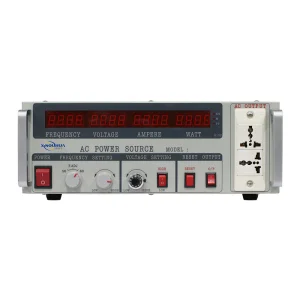 AC Power Source PA62000 Variable Frequency Power Supply
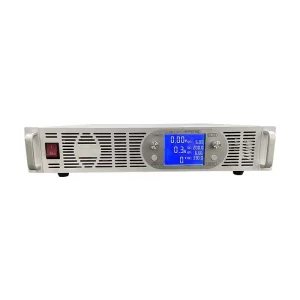 Industrial High Voltage 1200W DC Power Supply Programmable Single