Xinouhua Power
In today’s rapidly evolving electronics market, the demand for reliable Power Supply Boards (PSBs) is at an all-time high. A recent report by ResearchAndMarkets indicates that the global power supply market is projected to reach $30 billion by 2025, driven by innovations in various sectors, including automotive and telecommunications. Companies worldwide are keen on selecting the best PSB options to ensure quality and performance.
Industry expert Dr. Emily Chen, a leading authority on power electronics, emphasizes the importance of choosing the right Power Supply Board. She stated, “The efficiency and reliability of a power supply board can make or break the performance of an entire system.” This insight highlights the critical role of PSBs in diverse applications, from consumer electronics to industrial machinery.
However, not all PSBs are created equal. Global buyers often face challenges in navigating the myriad of options available. Factors such as thermal performance, cost, and credibility of manufacturers play a significant role in decision-making. With constant advancements in technology, there is a pressing need for buyers to stay informed about the latest trends and potential pitfalls in selecting a Power Supply Board.
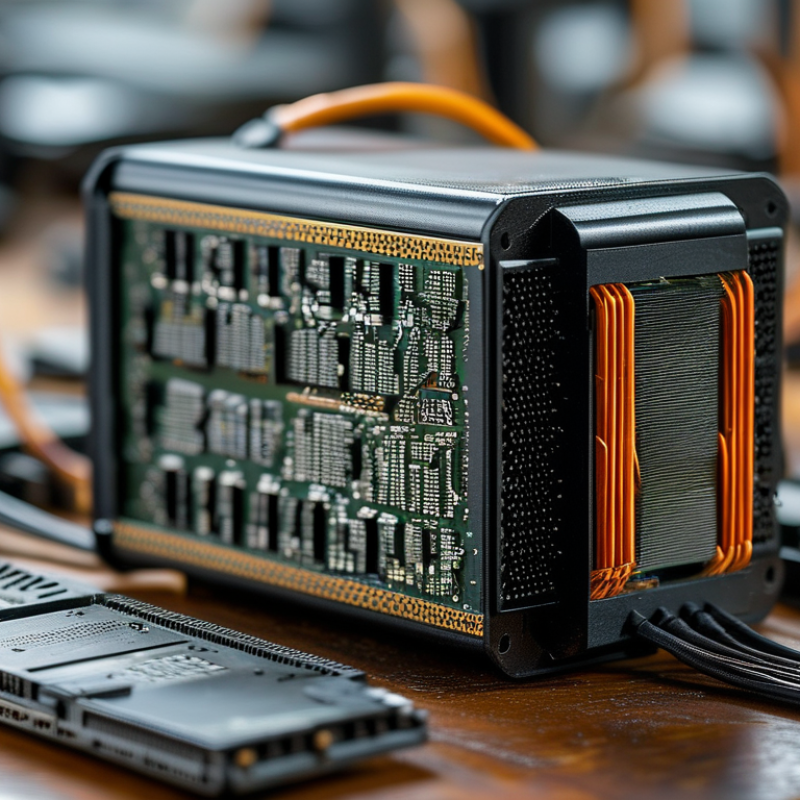
When selecting a power supply board, understanding the basics is essential for informed decision-making. Power supply boards convert electrical energy for use in various devices. It's crucial to recognize different types, including linear and switch-mode power supplies. Each type has its advantages, particularly regarding efficiency and thermal performance.
Recent industry reports indicate that the switch-mode power supply market is projected to grow by 7.5% annually. This growth is driven by the increasing demand for energy efficiency in electronics. Buyers must consider factors like load regulation, which affects stability. Inadequate load regulation can lead to device failure, highlighting the importance of choosing the right specifications.
Manufacturers often emphasize durability and longevity. However, not all boards deliver on this promise. Understanding power dissipation and thermal management is vital. A poorly designed board could resemble a ticking time bomb under high loads. In many cases, buyers overlook these elements, resulting in costly replacements. Therefore, acquiring a power supply board requires careful evaluation and a firm grasp of the fundamental principles involved.
Choosing the right power supply board is crucial for your projects. It involves considering various features such as output voltage, current capacity, and efficiency. Look for boards that offer adjustable voltage settings for versatility. This can be particularly useful for adapting to different equipment requirements.
Tip: Always review the input supply specifications. Voltage ranges can differ widely between regions. This affects safety and functionality. A board that operates within a broad voltage range ensures reliable performance in various settings.
Additionally, consider the thermal management of the power supply board. Boards with better heat dissipation capabilities tend to perform more reliably. Keep in mind that inadequate cooling can reduce the lifespan of the board. Inspect the materials and layout design. This can significantly influence the board's durability.
Tip: Research user reviews before finalizing a choice. Real-world experiences can highlight unanticipated issues or benefits. Don’t overlook the importance of customer support from the supplier. Having reliable assistance can help mitigate potential installation or performance difficulties.
When exploring the landscape of power supply boards for global markets, certain brands consistently stand out in industry reports. According to a recent market analysis, the demand for high-quality power supply boards is expected to grow by 15% annually. This growth indicates not only an increase in consumer electronics but also a shift towards energy-efficient products.
In terms of brand reputation, several players dominate with their innovative technologies and reliability. Reports from industry experts highlight brands that prioritize quality control and advanced manufacturing processes. These factors significantly contribute to their strong performance in competitive markets. Power supply boards that meet international safety standards gain wider acceptance. Consumers tend to favor choices that guarantee long-term reliability and minimal environmental impact.
Manufacturers face challenges, such as fluctuating material costs and evolving regulations. The complexity of global supply chains can also affect delivery times. Companies that invest in transparency and sustainable practices often resonate better with conscientious consumers. Focusing on performance and durability is essential, even if it means facing initial setbacks in product development. This emphasis on quality often leads to a stronger brand presence in the market.
This chart illustrates the distribution of various power supply board types favored by global markets, showcasing their popularity based on user preferences.
When selecting a power supply board, cost-effectiveness is a primary concern for many global buyers. Understanding the price-to-performance ratio can significantly impact project budgets. Various options exist, varying in specifications and efficiencies. Some boards offer competitive pricing but may sacrifice quality or longevity. Buyers should carefully evaluate these trade-offs.
One aspect to consider is compatibility with existing systems. Some cost-effective boards may not integrate well, leading to potential operational challenges. Users might need to adjust their setups, increasing total expenses. Thorough testing before deployment is essential but sometimes overlooked. Utilizing community feedback can provide insights into real-world performance.
Additionally, while many boards are affordable, they might lack certain features. This could affect their adaptability for future technologies. Continuous advancement in technology means the ideal choice today may not suffice tomorrow. Reflecting on these factors helps in making informed decisions, despite the temptation for a quick, budget-friendly fix.
When selecting power supply boards, sustainability and compliance are critical factors. Many manufacturers are striving to reduce their environmental impact. Using eco-friendly materials in production is a notable trend. This shift not only meets customer demands but also aligns with regulations. Moreover, waste reduction during the manufacturing process is becoming a priority.
It is essential to understand the compliance standards in various regions. Different markets have unique regulations regarding efficiency and emissions. Buyers must assess whether the products meet these standards. This can sometimes be challenging, as compliance guidelines can be complex. Buyers should not overlook the importance of certifications. Reliable certifications can provide assurance of a product’s claimed sustainability.
Reflecting on alternatives can often unlock potential gaps. Some power supply boards may excel in efficiency yet fall short in long-term sustainability. Balancing immediate performance with lasting impact is vital. Buyers may benefit from conducting thorough research before making a decision. An informed choice considers both the present needs and future implications for sustainability.
| Model | Power Output (W) | Efficiency (%) | Compliance Standards | Sustainability Features |
|---|---|---|---|---|
| Model A | 500 | 92 | CE, UL, RoHS | Recyclable Materials |
| Model B | 750 | 89 | FCC, ISO 9001 | Energy Star Certified |
| Model C | 1000 | 95 | CB Scheme, IEC | Low Standby Power |
| Model D | 300 | 90 | TÜV, CSA | Eco-Friendly Packaging |
: A power supply board converts electrical energy for use in various devices.
Consider whether you need a linear or switch-mode power supply based on efficiency and performance.
Adequate load regulation is vital; poor regulation can lead to device failure or instability.
Good thermal management prevents overheating, enhancing reliability and lifespan of the power supply board.
Adjustable output voltage provides flexibility, allowing adaptation for different equipment needs.
User reviews highlight potential issues and benefits from real-world experience which is often overlooked.
Low-cost boards may compromise quality; evaluate specifications and performance to avoid future challenges.
Compatibility issues can lead to operational challenges and increased overall expenses for adjustments.
A poorly designed board might fail under load, leading to costly replacements or project delays.
Regular reflection is essential as technology evolves; today's choice may not meet future needs.
When selecting a power supply board, it's essential to grasp the fundamentals, including its purpose and functionality. Buyers should consider key features such as voltage regulation, efficiency, and form factor to ensure compatibility with their specific applications. The market offers a variety of reliable power supply board options, making it crucial to compare cost-effective solutions that meet both budget and performance requirements.
Sustainability and compliance are increasingly important factors in the selection process. A power supply board that adheres to environmental standards not only benefits the planet but also ensures long-term usability and reliability in diverse global markets. By weighing these considerations, buyers can make informed choices that align with their needs while promoting responsible practices.
