Xinouhua Power
In the rapidly evolving landscape of technology, the role of connectors has become increasingly critical. By 2026, businesses and industries will heavily rely on innovative connectors to enhance their productivity. These connectors serve as essential tools that facilitate communication and the flow of information. They link various systems, ensuring seamless integration.
As we look ahead, understanding the top connectors to source is vital for achieving operational efficiency. Selecting the right connectors can significantly impact performance. While many may overlook these components, they influence everything from data transfer rates to system reliability. Reliable sources and expert knowledge will guide you in making informed decisions.
However, it’s important to reflect on the potential challenges. Finding the best connectors requires thorough research. The market is saturated with options, which can be overwhelming. You may find some connectors lack the expected performance. Identifying the true industry leaders is crucial. Paying attention to emerging trends will play a pivotal role in shaping successful strategies. This exploration will equip you with the insights needed to thrive in a connector-driven future.
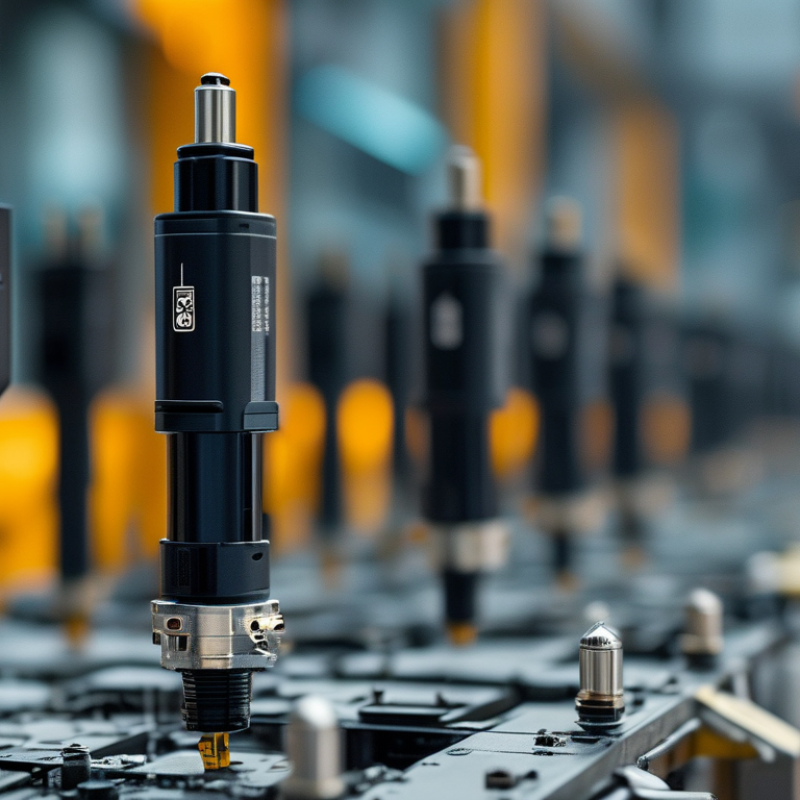
In 2026, the connector market will experience significant shifts. According to industry reports, the global connector market is projected to grow by over 6% annually, reaching approximately $84 billion. This growth is driven by emerging technologies in sectors like automotive, telecommunications, and consumer electronics. Key trends are reshaping connector design and demand.
Sustainability is at the forefront. More companies are prioritizing eco-friendly materials. A report indicates that 45% of manufacturers aim to use recyclable materials by 2026. This shift not only addresses environmental concerns but also meets consumer expectations for sustainable products.
Connectivity requirements are also evolving. The rise of smart devices demands more advanced connectors. High-speed data transfer capabilities are becoming essential. These developments favor designs that support miniaturization while maintaining performance. As applications diversify, manufacturers face the challenge of balancing size and efficiency.
Tips: Focus on modular designs to enhance versatility. Consider adopting industry standards to ensure compatibility. Regularly review technological advancements to stay ahead of competitors.
Emerging technologies are reshaping the connector landscape across various industries. Developments in IoT, AI, and automation are pushing the boundaries of connectivity. These technologies require connectors that are not just functional but also capable of handling immense data transfer rates. The demand for miniaturized connectors is on the rise. Size does matter in compact IoT devices.
In the automotive sector, for example, advancements in electric vehicles rely heavily on sophisticated connectors. They must support high-voltage systems while ensuring safety and reliability. Meanwhile, advancements in robotics are introducing unique shapes and configurations for connectors. This adaptability is crucial as robots integrate into diverse environments.
The healthcare industry also benefits from these innovations. Wearable health devices demand connectors that ensure prolonged battery life and data accuracy. However, challenges persist. Compatibility issues may arise as technologies evolve. The future holds promise, but continuous research and adaptation are vital. Each new connector designed must consider both current and emerging requirements.
In 2026, sustainability becomes a focal point in connector sourcing. More manufacturers prioritize eco-friendly materials. This shift promotes reduced environmental impact. It also addresses climate change concerns. Companies are starting to use recyclable materials, making it easier to minimize waste.
Environmental considerations demand a careful review of the supply chain. Sourcing from suppliers with sustainable practices is vital. This approach ensures that all components meet stringent environmental standards. However, not all companies have made this transition smoothly. Some still rely on traditional materials that pose environmental risks.
Stakeholders must communicate effectively about sustainability goals. Transparency in sourcing can build trust among consumers. Awareness of environmental concerns is rising among buyers. They want to know the environmental impact of products they purchase. This growing demand for information presents both challenges and opportunities for suppliers. Companies can embrace this trend to enhance their reputation while supporting the planet.
In the fast-evolving world of connector technology, 2026 promises significant changes. Manufacturers are focusing on innovative strategies to meet increasing market demands. Key players are exploring new materials and designs to enhance performance and durability. As industries seek more efficient connectivity solutions, these manufacturers must adapt.
Tips: Always research the latest trends in connector technology. Stay informed about material advancements to ensure optimal choices.
Many manufacturers are investing in sustainability. Eco-friendly practices are becoming essential. Production processes are being redesigned to minimize waste and energy consumption. However, not all companies manage this transition smoothly. Some struggle with balancing costs and sustainability goals.
Tips: Engage with industry experts to learn about effective strategies. Consider attending trade shows to gain insights into market innovations.
Understanding customer needs is critical. Effective communication with clients helps manufacturers tailor solutions. This approach builds trust and fosters long-term relationships. Yet, some companies overlook the importance of strong customer connections, resulting in missed opportunities.
Tips: Prioritize customer feedback in product development. Be open to adjusting strategies based on market responses.
When evaluating connector specifications, several critical factors emerge. Material composition plays a significant role in overall performance. Different materials can affect not just durability but also conductivity. For instance, metals like copper and aluminum have their unique advantages and drawbacks. This factor should not be overlooked.
Power ratings are essential as they dictate how much load a connector can handle. Ignoring this could lead to failures or even safety hazards. Another important aspect is the environment in which the connectors will operate. Temperature, humidity, and exposure to chemicals can impact connector lifespan. People often underestimate these variables.
Lastly, connector design is vital. Ergonomics, pin arrangement, and locking mechanisms contribute to usability. Poor design may lead to connectivity issues down the line. Reflection on these elements helps ensure that the chosen connectors meet the specific needs effectively. Think critically about what specifications matter most for your application.
: The global connector market is expected to grow by over 6% annually.
Sustainability addresses environmental concerns and meets consumer demand for eco-friendly products.
Approximately 45% of manufacturers aim to incorporate recyclable materials.
The rise of smart devices and the need for advanced connectivity are key drivers.
Balancing size and efficiency while supporting high-speed data transfer is challenging.
They should prioritize suppliers with eco-friendly practices and ensure transparent sourcing.
Effective communication helps tailor solutions and build trust with clients.
Regularly review technological advancements and adapt to the latest trends.
By redesigning production processes to minimize waste and energy consumption.
Some companies struggle to balance costs and sustainability goals, hindering progress.
As we look towards 2026, several key trends are set to influence the design and demand for connectors across various industries. Notably, emerging technologies such as IoT, electric vehicles, and renewable energy solutions are driving innovation in connector development, leading to enhanced performance and flexibility. Sustainability is also becoming increasingly important, with manufacturers focusing on environmentally friendly sourcing and production practices.
In evaluating connector specifications, critical factors such as performance, durability, and compatibility with advanced technologies must be considered. Understanding the strategies of top connector manufacturers will be essential for businesses aiming to stay competitive in this evolving landscape. As demand continues to grow, stakeholders must keep abreast of these developments to make informed sourcing decisions that align with market needs.
