Xinouhua Power
Choosing the right sensor for your business can feel overwhelming. The market offers a vast array of options, each designed for specific needs. Understanding which sensor aligns with your requirements is crucial. Sensors play a vital role in gathering data, monitoring conditions, and optimizing processes.
Different industries utilize various types of sensors. For example, environmental sensors monitor air quality. In contrast, motion sensors enhance security. Your choice will depend on functionality and your specific goals. An ideal sensor should not only meet technical specifications but also fit within your budget.
Reflection is key in this process. Consider whether your current systems can integrate with new sensors. Examine past experiences with sensor technology. This self-assessment helps you avoid mistakes. Choosing a sensor should not rely solely on trends but rather on reliable performance and your unique context.
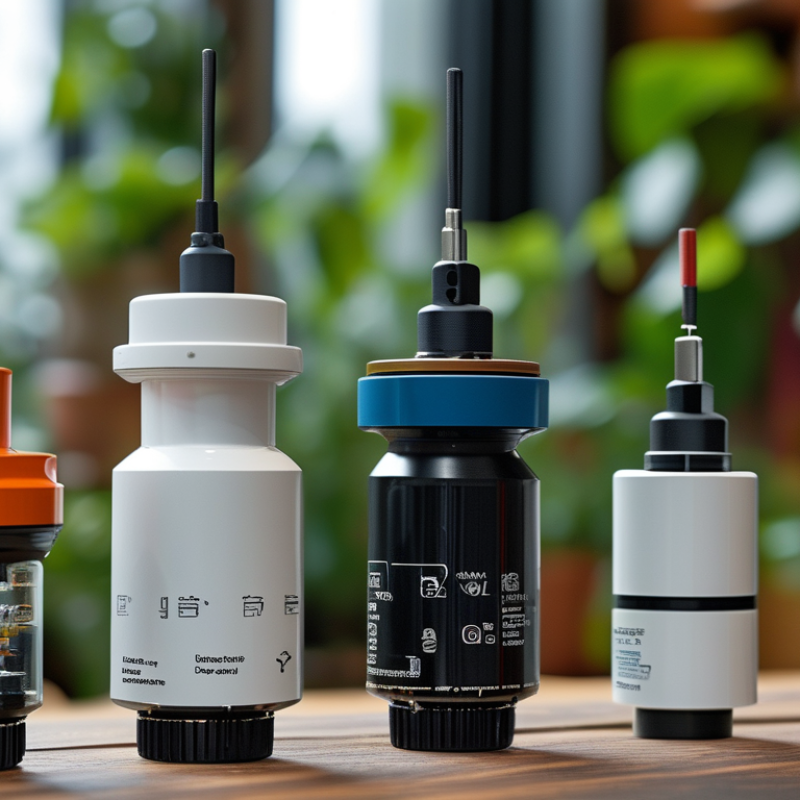
Selecting the right sensor is crucial for optimizing your business operations. Different sensor types serve diverse applications. For instance, environmental sensors measure conditions like temperature and humidity. According to a recent report by MarketsandMarkets, the global environmental sensor market is expected to reach $5.6 billion by 2026, underscoring their importance.
Proximity sensors are vital in automation. They detect the presence of objects without contact. In manufacturing, their use enhances safety and efficiency. Meanwhile, pressure sensors monitor system pressures, ensuring equipment operates within safe ranges. A study by Allied Market Research indicates that the pressure sensor market could reach $6.4 billion by 2025, illustrating their growing demand.
**Tip:** Evaluate the specific needs of your operations before purchasing sensors. Consider metrics like accuracy, response time, and durability.
Understanding the various sensor types helps in making informed decisions. You might find that not all sensors meet your needs. Regular evaluations can reveal inefficiencies. As technology evolves, new sensor applications emerge. Staying informed can enhance your business strategy significantly.
**Tip:** Engage with industry experts to stay updated on sensor advancements. Building relationships can lead to better insights and solutions tailored for your business.
Choosing the right sensor for your business starts with understanding specific requirements and use cases. Businesses across industries are collecting data more than ever. According to a recent report by MarketsandMarkets, the sensor market is expected to reach $276.6 billion by 2026, driven by increasing automation and IoT applications. This data underscores the need to select sensors that align with operational goals.
Begin by examining your operational objectives. What data do you need? Is it temperature, motion, or pressure? Identifying these needs can save time and resources. For example, a manufacturing facility may benefit from temperature sensors for equipment monitoring, while a retail environment might prioritize occupancy sensors for customer analytics. A case study from Gartner highlights that 70% of organizations fail to effectively utilize IoT due to unclear use cases.
Considering the potential for implementation challenges is essential. Sensors require integration into existing systems. Be aware of compatibility issues. Training staff to use data from new sensors can be overlooked. Ultimately, assessing your unique situation is critical. Expenditure must align with anticipated value. As noted in a survey by McKinsey, 60% of companies report difficulties in sensor data utilization, indicating that thoughtful planning is necessary for success.
Choosing the right sensor for your business starts with careful evaluation of specifications and performance metrics. Sensors vary widely in sensitivity, range, and response time. Understanding these factors helps match a sensor's capabilities to your specific needs. For instance, a temperature sensor might excel in quick response but lack accuracy at extreme ranges. Knowing these metrics can save you time and resources.
Consider how the environment will affect sensor performance. Is it dusty or humid? These conditions may alter how well a sensor works. A sensor designed for harsh conditions might be more robust but could sacrifice precision. This balance is crucial but often overlooked. Evaluate past experiences with similar equipment; they can provide insights but should not dictate your choice solely.
Data reliability is essential when assessing sensor performance. Look beyond basic specs. Investigate real-world performance reviews and case studies. Many sensors perform well in labs but fail in practical applications. Gathering this information enhances decision-making and minimizes risks. Reflect on how previous sensor choices have impacted your business. Each selection should build your knowledge and guide future purchases.
Choosing the right sensor requires thoughtful consideration of compatibility. Assessing how a new sensor integrates with your existing systems is crucial. Discrepancies in technology can lead to inefficiencies. For instance, older systems may struggle with newer, more advanced sensors. This mismatch can create data silos, hindering performance.
It’s vital to analyze your current infrastructure. Take stock of what technologies you have in place. A sensor that provides excellent data might not be useful if integration is complex. Sometimes, simplicity is key. Sensors should communicate seamlessly with existing software. Evaluate communication protocols and data formats. This attention to detail can save time and money.
Consider potential future upgrades as well. Choosing a sensor that adapts to evolving systems can be advantageous. It’s often wise to consult with experts. Their insights can help navigate options. However, relying solely on expertise without critical reflection may lead to pitfalls. Always ensure that the proposed solutions align with your unique business needs. Flexibility and foresight are essential in choosing the right sensor.
This chart evaluates different sensor types based on their compatibility with existing systems and technologies within a business context.
When considering sensor implementation, cost is a critical factor for businesses. According to a report by MarketsandMarkets, the global sensor market is expected to reach $227 billion by 2027, driven by rising demand in various sectors like manufacturing and healthcare. Businesses must assess not only the upfront costs but also long-term operational expenses. Sensors can reduce operational costs by up to 30% when integrated efficiently, highlighting the importance of budgeting accurately.
Tips: Evaluate the total cost of ownership (TCO). This includes installation, maintenance, and operational costs over the sensor's lifespan. Understanding TCO helps in making informed decisions.
Another consideration is potential ROI. A study by McKinsey suggests that businesses leveraging sensor data can increase productivity by 20-30%. This makes it essential to choose sensors that fit your specific needs. Overspending on unnecessary features can lead to budget overruns.
Tips: Prioritize your needs first. Focus on sensors that align with your business goals. This ensures you're not just opting for trendy technologies but adopting solutions that deliver real value.
: Start by identifying your specific requirements and use cases, like temperature or motion data.
Be aware of integration challenges. Ensure new sensors are compatible with existing systems to avoid inefficiencies.
Many organizations struggle with using IoT data due to unclear use cases or not defining their data needs.
Discrepancies in technology can create data silos, affecting performance. Sensors need to communicate seamlessly with current systems.
Assess the total cost of ownership, including installation and maintenance. This helps in making informed financial decisions.
Leveraging sensor data can increase productivity by 20-30% if aligned with specific business needs.
Focus on essential features that align with your business goals. Avoid overspending on unnecessary technologies.
Yes, expert advice can be valuable. However, don’t rely solely on it; ensure it meets your unique business requirements.
Choosing inflexible sensors may lead to challenges in adapting to future technology advancements.
Thoughtful planning and clarity on operational goals are crucial to avoid potential pitfalls during implementation.
When selecting the right sensor for business needs, it's essential to understand the various types of sensors and their specific applications. Different sensors serve distinct purposes, making it crucial to identify your unique business requirements and potential use cases. Additionally, evaluating sensor specifications and performance metrics will help ensure the chosen device meets operational standards and provides the data necessary for success.
Compatibility with existing systems and technologies is another vital factor, as a seamless integration can enhance efficiency. Lastly, cost considerations play an important role in budgeting for sensor implementation, ensuring that the investment aligns with the organization's financial capabilities while delivering the desired outcomes. By following these guidelines, businesses can make informed decisions that effectively leverage sensor technology for optimal results.
