 Xinouhua Power
Xinouhua Power
Xinouhua Power
Choosing the right Proximity Switch can significantly impact your project’s success. According to Dr. Emily Chen, a leading expert in industrial automation, “The right proximity switch can enhance efficiency and reduce downtime.” This statement highlights the importance of making an informed choice.
Proximity switches are essential for various applications. They can detect the presence of nearby objects without physical contact. Factors to consider include sensing distance, environmental conditions, and the type of object to be detected. Each application requires a unique approach.
Selecting a proximity switch is not always straightforward. Many options on the market can confuse buyers. It is crucial to assess your specific needs before making a decision. Don't overlook the importance of compatibility with existing systems. Getting it wrong can lead to costly mistakes or inefficiencies in operation. Thus, careful consideration is vital for a successful outcome.
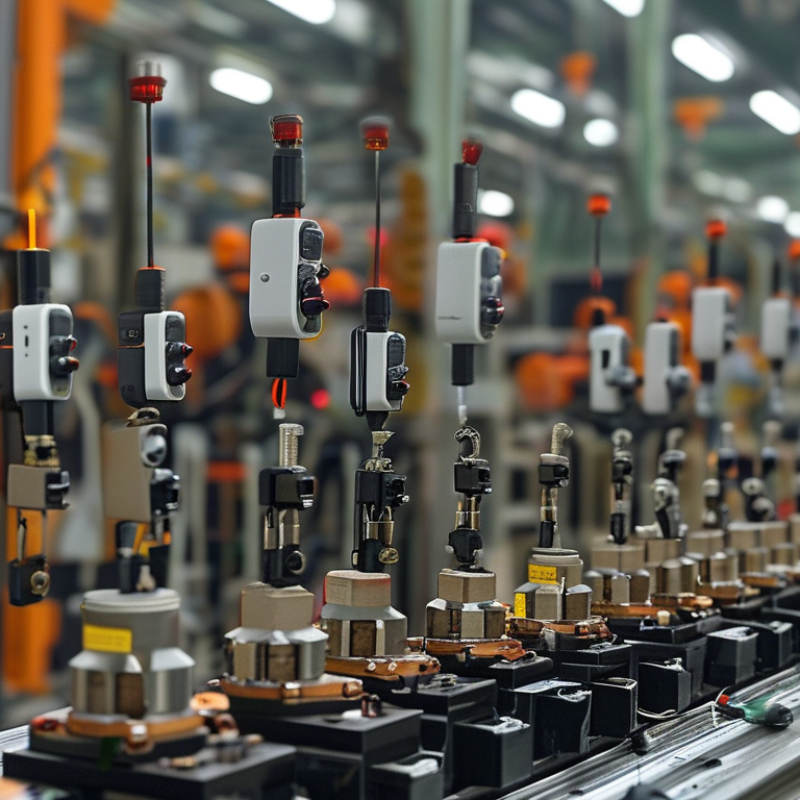
Proximity switches play a crucial role in automation and control systems. They detect the presence of objects without direct contact. This enhances safety and efficiency in various applications. Common types include inductive, capacitive, and magnetic switches. Each type conveys a unique approach to sensing. For example, inductive switches effectively detect metal objects, while capacitive switches can sense non-metal materials.
In industrial environments, proximity switches find use in assembly lines, packaging machines, and robotics. They help in measuring distances and monitoring equipment statuses. Selection of the right switch is not straightforward. Factors such as the distance required, environment, and materials need consideration. A switch’s sensing range might change based on surrounding conditions. Additionally, misalignment in applications can lead to faulty detections.
While the technology seems reliable, users should remain cautious. Over-reliance on proximity switches without regular checks could lead to issues. Frequent maintenance and recalibration are essential. Understanding the specific needs of your application ensures you choose the best proximity switch. Aim for an informed decision, keeping in mind both technical specifications and practical challenges you might face.
| Type | Operating Principle | Detection Range | Typical Applications | Advantages |
|---|---|---|---|---|
| Inductive | Detects metal objects using electromagnetic fields | 0-30 mm | Metal part detection, position sensing | High reliability, immune to dirt |
| Capacitive | Detects nearby objects by changes in capacitance | 0-20 mm | Plastic, liquid level detection | Versatile, can detect non-metallic objects |
| Photoelectric | Uses light transmission to detect objects | Up to 15 m | Presence sensing, packaging systems | Long detection range, fast response |
| Ultrasonic | Uses sound waves to detect objects | Up to 6 m | Liquid level detection, object counting | Works with various materials, non-contact |
: Proximity switches detect nearby objects without physical contact. They are common in automation and industrial applications.
Inductive proximity switches use an electromagnetic field to sense metal objects. They are reliable in harsh environments.
Yes, capacitive proximity switches can detect both metallic and non-metallic objects, like liquids or plastics, by sensing capacitance changes.
Dust and moisture can impact the performance of capacitive proximity switches. It’s important to consider these factors during selection.
Photoelectric proximity switches use a light beam for detection. They are effective for longer distances but struggle in bright sunlight.
Compatibility ensures seamless operation with existing systems. Incompatibilities can lead to costly downtime and performance issues.
Check electrical parameters like voltage and current ratings. Also, consider environmental conditions to prevent unexpected failures.
Incompatible communication standards, like IO-Link or Modbus, can cause integration issues. Proper evaluation helps avoid these problems.
About 30% of equipment failures are due to component mismatches. Ensuring proper compatibility can enhance productivity.
Failing to account for environmental factors or communication compatibility can lead to performance challenges and operational risks.
Proximity switches are essential components in automation and control systems, utilized for their ability to detect the presence of objects without physical contact. Understanding their applications is crucial for selecting the most suitable type for specific needs. The main types of proximity switches, including inductive, capacitive, and photoelectric, each offer unique features tailored to different operational environments.
When choosing a proximity switch, several factors must be considered, such as sensing distance, environmental conditions, and compatibility with existing systems. It's also important to evaluate how well the sensor integrates with your setup. Adhering to best practices during installation and maintenance can ensure optimal performance and longevity. By following these guidelines, users can effectively select and implement proximity switches that enhance their automation processes.
