Choosing a Three Phase SSR DC-AC in 2026 requires more than matching voltage and current numbers. A solid-state relay may look simple inside a control cabinet. In practice, switching behavior, thermal limits, isolation, and load characteristics determine its reliability.
Dr. Ned Mohan, a respected power-electronics authority, describes the field this way: “Power electronics is the technology associated with the efficient conversion, control, and conditioning of electric power.” That principle matters when selecting a Three Phase SSR DC-AC for heaters, motors, pumps, or industrial automation. The device must accept the available DC control signal and switch the intended AC load safely. Check the rated line voltage, continuous current, surge current, switching mode, and insulation strength. Do not trust the label alone.
Look closely at heat. A relay carrying 25 amps can generate significant losses inside a compact enclosure. A properly sized heatsink, airflow, and temperature derating may matter more than a higher headline rating. Motor loads deserve extra caution. Their starting current can exceed normal current several times. Random-turn-on and zero-cross switching also behave differently with inductive equipment.
Certification matters.
A credible supplier should provide test data, wiring diagrams, failure information, and traceable specifications. Reviews from field engineers can reveal problems hidden in catalog pages. I have seen selections fail because ambient temperature was ignored. That mistake is easy to repeat. The best choice balances electrical performance, thermal design, protection, service life, and realistic operating conditions. No product is perfect. A careful design admits that limitation.
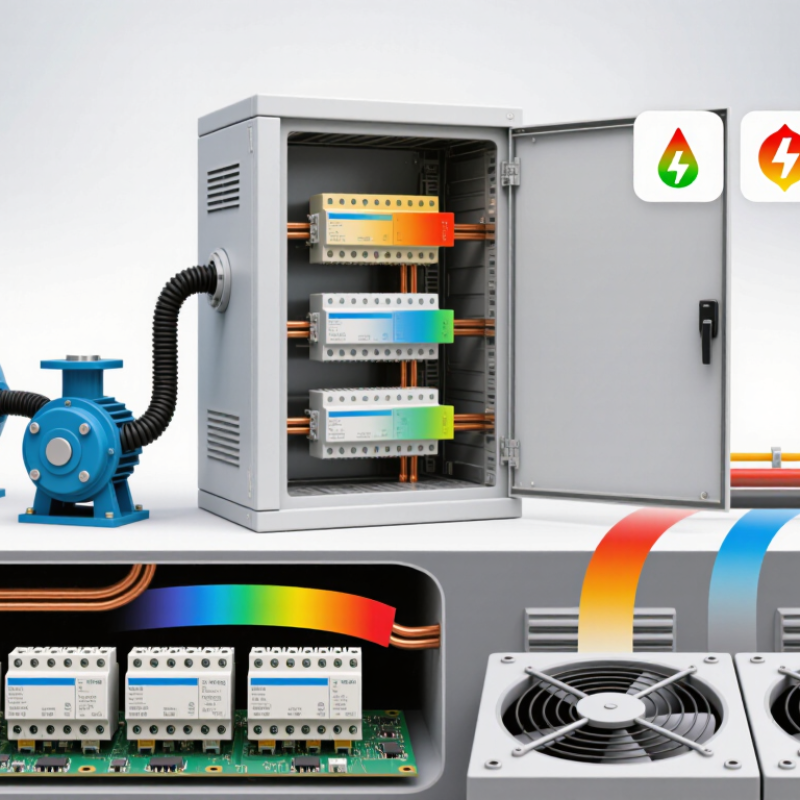
Understanding Three-Phase SSR DC-AC Operation and Applications
A three-phase SSR DC-AC device uses a low-voltage DC signal to control a three-phase AC load.
The input circuit usually includes optical isolation, protecting the controller from mains voltage. Inside, semiconductor switches manage each AC phase without mechanical contacts. That means silent operation and fast switching. There is no contact bounce.
However, an SSR does not normally create AC from a battery. It switches existing AC power, unlike a three-phase inverter.
Operation depends on the switching method.
Zero-cross switching turns on near the AC waveform’s zero point, reducing electrical noise and stress. It suits heaters, ovens, lighting systems, and other resistive loads.
Random-turn-on or phase-angle control allows faster regulation, but it can increase interference and heat.
For pumps, fans, and conveyors, check motor starting current carefully. A motor may briefly draw several times its rated current.
When choosing a device in 2026, compare the rated voltage, continuous current, surge capacity, control voltage, and switching mode.
Thermal management matters greatly. A panel-mounted SSR may need a metal heat sink, airflow, and proper derating. Leakage current can keep small loads partially energized after shutdown. That detail is easy to miss.
I have seen installations fail because the datasheet current looked sufficient, while the cabinet temperature was ignored.
Fusing, phase protection, grounding, and certified installation remain essential. Still, I would not trust a single rating alone; load type, ambient heat, switching frequency, and wiring all deserve practical testing.
Matching Voltage, Current, Load Type, and Switching Requirements
How to Choose a Three Phase SSR DC AC in 2026?
Selecting a three-phase DC-to-AC SSR starts with the load, not the catalog. Measure the line-to-line voltage, control voltage, RMS current, and ambient temperature. IEC 60947-4-3 defines requirements for semiconductor AC controllers, but installation conditions still determine real performance. A 40 A rating may require substantial derating inside a sealed cabinet. Check the datasheet carefully.
Resistive heaters usually suit zero-cross switching, which reduces electrical noise and limits voltage stress. Motors, transformers, and solenoids are less forgiving. Their inrush current can exceed the running current several times. Use the motor nameplate, starting profile, and protection settings together. In commissioning work, I have seen a correctly rated SSR fail because the load was measured only after startup. That mistake is easy to repeat.
Switching frequency also matters. A thermal process may need slow burst control, while a fast control loop may require random-turn-on switching. IEA’s Electricity 2024 report estimates data-centre electricity use could exceed 1,000 TWh by 2026, increasing demand for reliable cooling and power-control equipment. IEA’s Renewables 2024 report forecasts nearly 5,500 GW of new renewable capacity by 2030, bringing more converter-based loads into industrial systems. These figures suggest tighter attention to harmonics, heat, and coordination. Do not guess. Confirm peak current, leakage current, cooling clearance, and fault protection before energizing the panel.
Comparing SSR Technologies, Protection Features, and Thermal Performance
How to Choose a Three Phase SSR DC AC in 2026?
A three-phase SSR with DC input and AC output should match the load’s switching behavior. Zero-cross SSRs reduce electrical noise when controlling heaters and resistive loads. Random-turn-on SSRs respond faster for motor controls, lamps, and phase-sensitive equipment. SCR-based designs usually handle industrial AC loads more reliably than triac designs. However, switching speed alone is not a qualification. Check rated voltage, current, surge current, and minimum load requirements.
Protection features deserve close inspection. Look for internal or recommended snubber networks, transient-voltage suppression, and clear short-circuit protection instructions. Many SSRs do not interrupt a fault like a mechanical circuit breaker. An external semiconductor fuse may be necessary. For three-phase systems, phase-loss monitoring can prevent uneven motor heating. In panel testing, I also verify leakage current when the output is “off.” Small leakage can still illuminate indicators or move sensitive equipment. That detail is often overlooked.
Thermal performance decides whether the relay survives real operation. Published current ratings commonly assume a specific heatsink, ambient temperature, and duty cycle. Measure the case temperature after continuous switching, not after five minutes. Use thermal compound or a suitable interface pad, and leave airflow around the heatsink. Derate the current when several relays share a crowded enclosure. I once trusted a generous rating without checking cabinet temperature; the result was unstable shutdowns. Datasheets can simplify reality. Confirm the complete installation, including wiring resistance and ventilation, before selecting the final device.
Representative loss comparison for 1200 V-class semiconductor switch technologies in a three-phase DC-to-AC solid-state relay at a 50 A phase current, 400 V DC bus, and 10 kHz switching frequency. Actual results depend on device rating, gate-drive conditions, heatsink design, ambient temperature, and modulation strategy. IGBT designs generally require desaturation or short-circuit protection, while MOSFET-based designs commonly use fast overcurrent detection, gate shutdown, temperature monitoring, and DC-link surge protection.
Checking Installation Standards, Control Compatibility, and Safety Ratings
Choosing a three-phase SSR DC AC in 2026 requires more than matching voltage and current. The installation environment matters. Check the applicable electrical standards and local panel requirements before selecting the device. Confirm creepage, clearance, terminal spacing, and enclosure protection. A dusty control cabinet may need better sealing than a clean laboratory panel. It is easy to overlook heat.
The control signal must match the controller exactly. Verify DC input voltage, trigger current, polarity, and switching response. A PLC output may not supply enough current, even when the voltage appears correct. Also check whether the relay uses zero-cross or random-fire switching. Heaters often work well with zero-cross control. Motors and transformers may require a different approach. Review the load’s starting current, not only its nameplate rating.
Safety ratings deserve careful attention. Confirm rated voltage, continuous current, surge capability, isolation voltage, and operating temperature. Add suitable fuses or circuit protection, because an SSR usually does not provide short-circuit protection. A heatsink is often necessary, and current ratings may fall sharply inside a hot cabinet. Keep control and load wiring separated. Label every terminal. Small mistakes remain possible; even a correct calculation can miss poor airflow or loose wiring. A final torque check and thermal test are worth the extra minutes.
Evaluating Reliability, Certifications, Cost, and Supplier Support in 2026
How to Choose a Three Phase SSR DC AC in 2026?
A three-phase SSR DC AC should be judged by evidence, not its lowest quotation. The IEA’s Electricity 2024 report projects data-center electricity use could exceed 1,000 TWh in 2026, compared with about 460 TWh in 2022. This rising load makes switching reliability more important. Check the relay’s continuous current, surge rating, thermal resistance, and zero-crossing behavior. Ask for test conditions, not only headline specifications. A relay rated at 40 A may need derating inside a hot control cabinet. Measure the heat sink temperature after several hours. Small details matter.
Certifications also need careful reading. IEC 60947-4-3 supports the evaluation of semiconductor controllers, while regional marks should match the final installation market. A certificate for the component does not automatically approve the complete control panel. Review insulation voltage, creepage distance, EMC test results, and short-circuit protection. The International Energy Agency also notes that electrification is expanding across industry, increasing the need for dependable power-control equipment. However, certification documents can be outdated, incomplete, or difficult to verify. That is a warning sign.
Cost should include heat sinks, fuses, wiring, testing, replacement time, and energy losses. Request a five-year cost estimate. Supplier support is equally practical: confirm response times, stock locations, failure-analysis procedures, and firmware or documentation control. A lower price can be attractive. It can also become expensive after one avoidable shutdown. I would still test a sample under the real load, because laboratory confidence is not field experience.
FAQS
Match the DC control input and AC load behavior. Check rated voltage, continuous current, surge current, and minimum load requirements. The headline current rating is not enough.
Zero-cross switching suits heaters and resistive loads. It reduces electrical noise during switching. Random-turn-on switching responds faster for motors, lamps, and phase-sensitive equipment.
SCR-based designs often handle industrial AC loads more reliably than triac designs. Still, device construction and cooling matter. Do not choose from the component type alone.
Check for snubber networks and transient-voltage suppression. Review the short-circuit protection instructions carefully. An SSR may not interrupt a fault like a mechanical breaker. An external semiconductor fuse may be necessary.
Phase-loss monitoring can reduce uneven motor heating in three-phase systems. It helps identify an abnormal supply condition earlier. It is not a complete protection system.
Measure leakage current when the output is off. Small leakage can still illuminate panel indicators or move sensitive equipment. This detail is easy to overlook. I have overlooked it too.
Use the specified heatsink, thermal compound, or suitable interface pad. Measure case temperature after continuous switching, not after five minutes. Leave airflow around the heatsink. Measure it hot.
Check insulation voltage, creepage distance, EMC results, and short-circuit protection. Confirm that documents match the final installation market. A component certificate may not approve the complete control panel. Include heatsinks, fuses, wiring, testing, energy losses, and replacement time. Test a sample under the real load.
Conclusion
Choosing a Three Phase SSR DC-AC in 2026 requires more than comparing purchase prices. Start by understanding how the device switches direct current into controlled three-phase alternating current and identify whether it suits applications such as motor control, heating systems, automation equipment, or renewable energy setups. Carefully match the input and output voltage, load current, phase configuration, load type, switching frequency, and control signal with the system requirements. Resistive, inductive, and motor loads may require different switching and protection strategies.
Next, compare available SSR technologies by examining switching speed, isolation, surge protection, short-circuit protection, electromagnetic compatibility, and thermal performance. Confirm that the device supports proper heat dissipation, installation standards, control compatibility, and required safety ratings. Finally, assess expected service life, certifications, warranty terms, technical documentation, supplier support, replacement availability, and total ownership cost. A reliable selection balances electrical performance, safe installation, long-term stability, and practical support rather than focusing on specifications alone.
 Xinouhua Power
