Xinouhua Power Xinouhua Power

2026 Best Laser Sensor Options for Global Buyers?

Time:2026-07-27 Author:Oliver
0%

Laser sensors are increasingly essential in various industries, from manufacturing to logistics. They provide precise measurements and enhance automation processes. With the growing demand for accuracy and efficiency, it’s vital to explore the best options available in the global market.

In 2026, several laser sensors stand out due to their advanced technology and reliability. Global buyers must consider features like measurement range, response time, and compatibility with existing systems. Reliable suppliers offer products that meet diverse industry needs. However, selecting the right sensor can be challenging and requires careful consideration.

While some sensors excel in certain applications, they may not suit all environments. It's important for buyers to conduct thorough research and engage with experts in the field. This ensures they make informed decisions while investing in laser technology. Ultimately, the choice of a laser sensor should align with specific requirements to optimize performance and productivity.
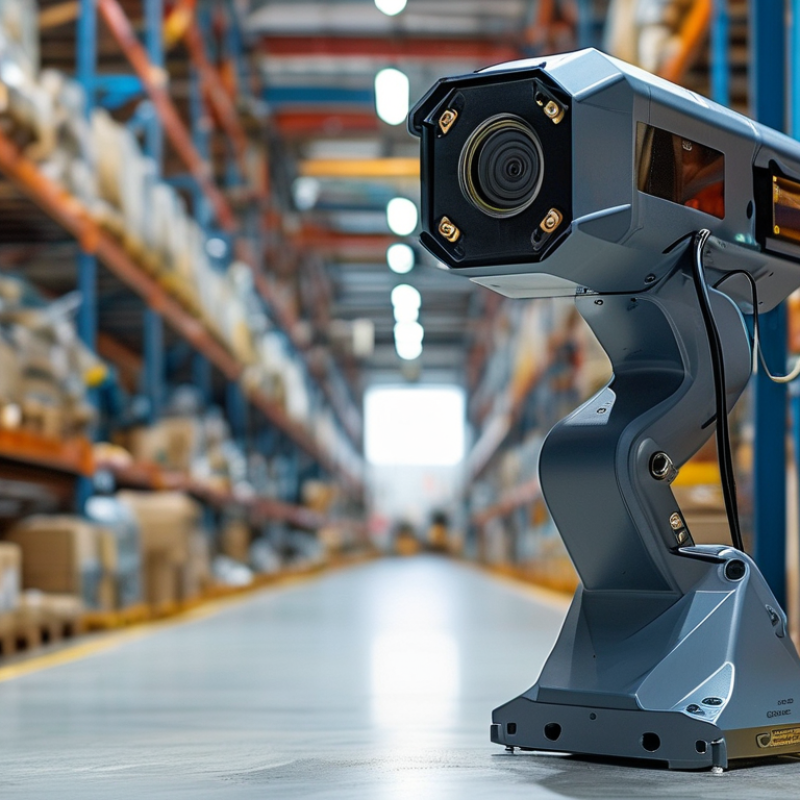
2026 Best Laser Sensor Options for Global Buyers?

Overview of Laser Sensors: Types and Functionality

Laser sensors are essential tools used across various industries. They operate using light to measure distance, speed, and object presence. Their accuracy and reliability make them invaluable in settings such as manufacturing, construction, and automation. Different types of laser sensors include time-of-flight, triangulation, and laser Doppler sensors. Each type offers unique advantages, catering to specific needs and applications.

Time-of-flight sensors measure the time it takes for a laser beam to return after hitting an object. This technology is widely used for distance gauging and creating accurate 3D maps. Triangulation sensors, on the other hand, calculate distance based on the angle of the returning light. They excel in more detailed measurements, especially in smaller areas. They can often detect minute changes in position.

Choosing the right laser sensor involves understanding your specific needs. Factors like range, precision, and environmental resistance are crucial. Not all sensors perform equally under different conditions. This complexity may lead to errors if one doesn't do thorough research. A laser sensor’s effectiveness can diminish in harsh weather or dusty environments. Therefore, it’s important to assess these variables before making a decision. Proper evaluation ensures optimal functionality in practical applications.

Key Features to Consider When Choosing Laser Sensors

When selecting laser sensors, key features play a significant role. Precision is crucial. You want sensors that reliably measure with minimum variance. Response time matters too. A quick response enhances efficiency in dynamic environments. Consider the range of the sensors as well. Sensors should perform well at various distances.

Another important feature is durability. Sensors face different conditions, from wet environments to dusty factories. Choosing robust devices prolongs their lifespan. Compatibility with existing systems is essential too. Ensure seamless integration with current workflows.

User-friendly interfaces can make a difference. Intuitive controls reduce training time for operators. However, pay attention to calibration needs. Some sensors require frequent adjustments to maintain accuracy. Finally, carefully assess the total cost of ownership. A cheaper sensor may lead to higher long-term expenses. Choose wisely to avoid common pitfalls.

2026 Best Laser Sensor Options for Global Buyers

This chart illustrates the performance of various laser sensor types based on key features such as range, accuracy, and response time. The data reflects the average values reported across different testing standards.

Top Laser Sensor Brands and Their Global Market Presence

The global laser sensor market is experiencing significant growth, projected to reach approximately $15 billion by 2026. Various experts highlight the increasing demand in industrial automation and robotics as key drivers. High precision and reliability make laser sensors indispensable in applications like distance measurement and 3D scanning. Emerging markets in Asia-Pacific, particularly, are rapidly adopting these technologies, often catching up to established markets.

Top brands in laser sensors maintain diverse global market presences. Companies dominate in regions like North America and Europe, but competition is intensifying in Asia. Market research indicates that more than 30% of sensor sales are now from Asia. Companies must adapt to local regulations and consumer preferences. This dynamic landscape creates unique challenges. Not every brand is equipped to navigate these complexities, leading to uneven quality and support in the marketplace.

Investors and buyers are increasingly focused on sustainability and innovation. Environmental concerns drive the need for sensors that enhance energy efficiency. Reports show that laser sensors can reduce energy consumption by 25%. However, the technology is not without flaws. Users need to be aware of calibration issues and data accuracy, as errors can lead to significant operational inefficiencies. Comprehensive training and support are often necessary to maximize performance.

2026 Best Laser Sensor Options for Global Buyers

Laser Sensor Type Measurement Range Accuracy Application Areas Price Range (USD)
Time-of-Flight 0.1m - 100m ±1 cm Industrial automation, robotics $200 - $500
Phase Shift 0.5m - 50m ±2 mm Construction, surveying $300 - $700
Triangulation 1mm - 5m ±0.5 mm CNC machines, quality control $150 - $400
Laser Distance Meter 0.05m - 250m ±3 mm Real estate, interior design $50 - $150
2D/3D Scanners 1cm - 100m ±1 mm Architecture, heritage preservation $500 - $5000

Comparative Analysis of the Best Laser Sensors for 2026

As we approach 2026, the demand for high-quality laser sensors continues to rise. Buyers need reliable options that offer precision and durability. This comparative analysis highlights essential features that differentiate these devices. It emphasizes accuracy in distance measurement, response time, and environmental resistance.

Laser sensors are widely used in various industries. Some applications include manufacturing, logistics, and construction. The choice of sensor impacts efficiency and safety. Buyers often overlook the importance of compatibility with existing systems. This oversight can lead to integration challenges. Experimental designs may show promise, but untested features can lead to unforeseen issues.

Cost is another critical factor. While high-end sensors promise reliability, budget constraints may limit options. Testing multiple models could reveal better value. Reviews from industry professionals often highlight the experiences of users, shedding light on real-world performance. It's essential to gather data and make informed decisions based on what works in practice. Exploring all options can lead to discovering hidden gems in the market.

Future Trends in Laser Sensor Technology and Innovation

As laser sensor technology continues to evolve, it's essential to stay informed about future trends and innovations. Advanced materials and miniaturization are key areas driving growth. Customization of sensors for specific applications is becoming more common. This trend enhances performance and adaptability in various industries.

Incorporating artificial intelligence into laser sensors is also on the rise. AI can improve accuracy and speed in data processing. These smart sensors can learn from their surroundings and optimize their operations. This advancement opens new possibilities in automation and remote monitoring.

Tips: Always evaluate the reliability of data from sensors. Research their integration capabilities with existing systems. Remember that innovation can lead to unexpected challenges. Continuous learning is essential in this rapidly changing field. Consider collaborating with experts for tailored solutions.

FAQS

: What are laser sensors used for?

: Laser sensors measure distance, speed, and object presence across various industries.

How do time-of-flight sensors work?

They measure the time a laser beam takes to return after hitting an object, enabling distance gauging.

What is a key feature to consider when choosing a laser sensor?

Precision is crucial. Reliable measurements with minimal variance are essential for effective operation.

Why is response time important in laser sensors?

A quick response enhances efficiency, especially in dynamic environments where conditions change rapidly.

How can environmental conditions affect laser sensors?

Harsh weather or dust can diminish their effectiveness. Ensure sensors are suitable for the intended environment.

What role does compatibility play in selecting a laser sensor?

Ensure compatibility with existing systems to avoid integration challenges and maximize sensor efficiency.

Are user-friendly interfaces important for laser sensors?

Yes, intuitive controls reduce training time for operators and enhance overall operational efficiency.

Why should I be cautious about the cost of a laser sensor?

A cheaper sensor might lead to higher long-term expenses due to potential reliability issues or frequent maintenance.

What issues might arise from selecting an untested sensor feature?

Unverified designs can lead to unforeseen problems, underscoring the need for careful evaluation before purchase.

How can user reviews assist in selecting laser sensors?

Insights from industry professionals highlight real-world performance and help buyers make more informed decisions.

Conclusion

The article "2026 Best Laser Sensor Options for Global Buyers" provides a comprehensive overview of laser sensors, exploring their various types and functionalities. It highlights the essential features to consider when selecting a laser sensor, such as accuracy, range, and response time. Furthermore, the article presents a comparative analysis of the best laser sensors available in 2026, helping buyers make informed decisions based on performance and capabilities.

In addition to evaluating current options, the article discusses the future trends in laser sensor technology and innovation. It emphasizes the growing significance of laser sensors across various industries, including automation, robotics, and environmental monitoring, showcasing their potential for enhancing efficiency and precision in diverse applications. Overall, this article serves as a valuable guide for global buyers seeking to understand the laser sensor market and make strategic choices for their needs.

Oliver

Oliver

Oliver is a seasoned marketing professional with a wealth of expertise in driving brand awareness and engagement. With a deep understanding of our company's product offerings, he consistently delivers high-quality content that enriches our professional blog. His insights not only shed light on......