 Xinouhua Power
Xinouhua Power
Xinouhua Power
As the demand for advanced sensing technologies grows, the importance of the Capacitance Sensor becomes evident. These sensors are vital in various applications, from automotive systems to consumer electronics. They measure changes in electrical capacitance caused by physical movements, making them highly effective in detecting proximity and touch.
China has emerged as a significant player in the global market for capacitance sensors. Known for its innovative manufacturing techniques, the country produces a wide range of sensors that cater to international buyers. However, not all products meet the same standards of quality and reliability. Buyers must navigate varying levels of expertise and technology.
Companies should consider certain factors when selecting capacitance sensors from China. Researching suppliers is essential. Understanding their capabilities can prevent costly mistakes. Although many manufacturers boast cutting-edge technology, some may lack proven industry experience. Choosing a trustworthy supplier can significantly influence the overall success of a project.
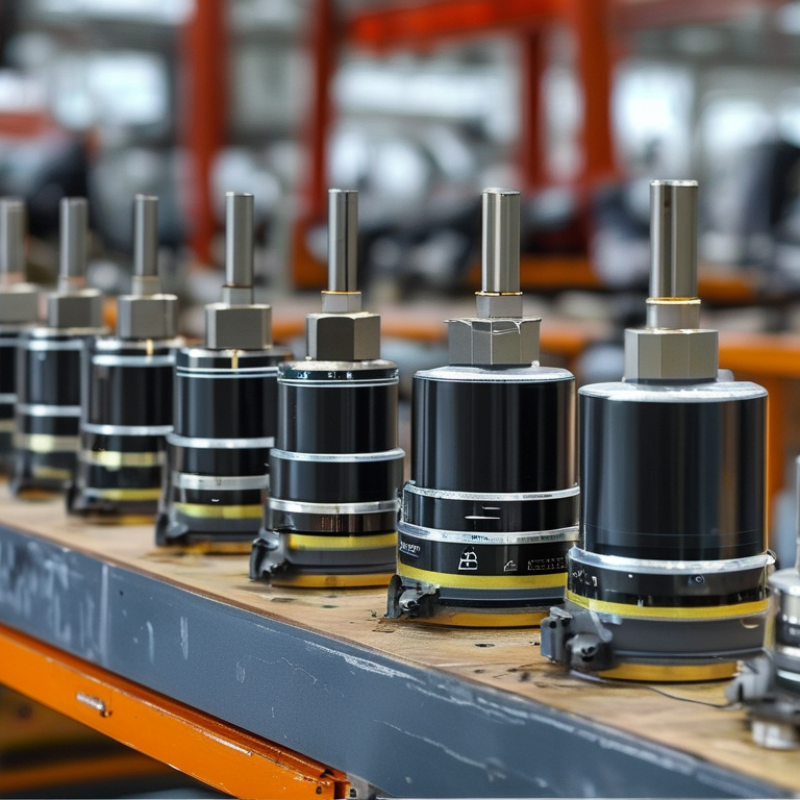
Capacitance sensors play a crucial role across various industries. These sensors detect changes in capacitance caused by the proximity of objects or changes in material. They are widely used in automation, robotics, and manufacturing processes. According to a recent market report by Research and Markets, the global capacitance sensor market is projected to reach $5.2 billion by 2026, highlighting their rising importance.
These sensors offer advantages like non-contact sensing and high precision. Industries utilize them in applications like level measurement, material sensing, and proximity detection. For instance, capacitance sensors can effectively measure the level of liquid in tanks and detect the presence of objects without physical contact. This non-intrusiveness makes them ideal for sensitive environments, such as food processing and pharmaceuticals.
Tip: Consider the environment where capacitance sensors will be used. Factors like temperature and humidity can impact performance. Another important aspect is calibration. Regular calibration ensures accuracy and reliability in measurements. Poorly calibrated sensors may lead to costly errors.
: Capacitance sensors detect changes in capacitance due to nearby objects or material changes. They are crucial in industries like automation and manufacturing.
They provide non-contact sensing and high precision. This makes them suitable for delicate environments, such as food and pharmaceutical industries.
Environmental factors like temperature and humidity can impact the accuracy of capacitance sensors. Users should consider these when selecting sensors.
Regular calibration ensures measurement accuracy. Poor calibration can lead to errors that result in significant costs for businesses.
The market demand for capacitance sensors in China is expected to grow to $2.5 billion by 2025, with an 8.3% growth rate.
Improving customer service and support for international clients is crucial. Many companies need to work on this to compete effectively.
While production costs are lower, quality inconsistencies can occur. Balancing efficiency with product reliability is essential for these manufacturers.
Manufacturers invest in research and development to create sensors with better accuracy and reliability. This drives innovation in the field.
They should consider accuracy, environmental factors, and the need for regular calibration. These aspects significantly impact performance.
Yes, many manufacturers have room for improvement in customer service and support for international markets. This is an area needing attention.
The article titled "China Best Capacitance Sensor for Global Buyers?" delves into the significance and diverse applications of capacitance sensors across various industries. It highlights the key features that characterize high-quality capacitance sensors, such as sensitivity, stability, and response time, which are crucial for ensuring accurate measurements and reliable performance.
Additionally, the article outlines leading Chinese manufacturers in the capacitance sensor market, providing insights into their innovations and production capabilities. A comparative analysis of global suppliers is included, enabling buyers to evaluate their options effectively. Finally, the article offers recommendations for selecting the best capacitance sensor tailored to specific needs, emphasizing the importance of understanding application requirements and manufacturer reliability in making an informed choice.
