Xinouhua Power
Choosing the right Power Inverter in 2026 requires more than comparing wattage and price. It requires evidence.
The market is expanding quickly. The International Energy Agency reported that global renewable capacity additions reached about 510 gigawatts in 2023, with solar accounting for most growth. IRENA recorded approximately 473 gigawatts of new solar capacity during the same year. These installations depend on inverters to convert direct current into usable alternating current. Wood Mackenzie also reported that global solar inverter shipments reached roughly 589 gigawatts in 2023, a 56% year-on-year increase.
Demand is rising.
Yet, bigger numbers do not guarantee better performance. A 98% efficiency rating may look impressive, but poor ventilation can reduce output inside a hot garage. A compact inverter may suit a camper, while a hybrid model may better support rooftop solar, batteries, and backup circuits. Surge capacity, waveform quality, protection features, noise, warranty support, and monitoring software deserve equal attention.
Power-electronics scholar Bimal K. Bose defined the field clearly: “Power electronics is the technology associated with the efficient conversion, control, and conditioning of electric power.” That principle guides this selection. Each model should be judged by measurable performance and practical ownership experience.
No ranking is flawless. Specifications can change, and regional service quality varies. This guide therefore compares ten leading Power Inverter options using published ratings, independent industry data, safety considerations, and realistic household use. Readers should still verify local electrical requirements before buying. A trusted installer remains valuable, especially for permanent systems.
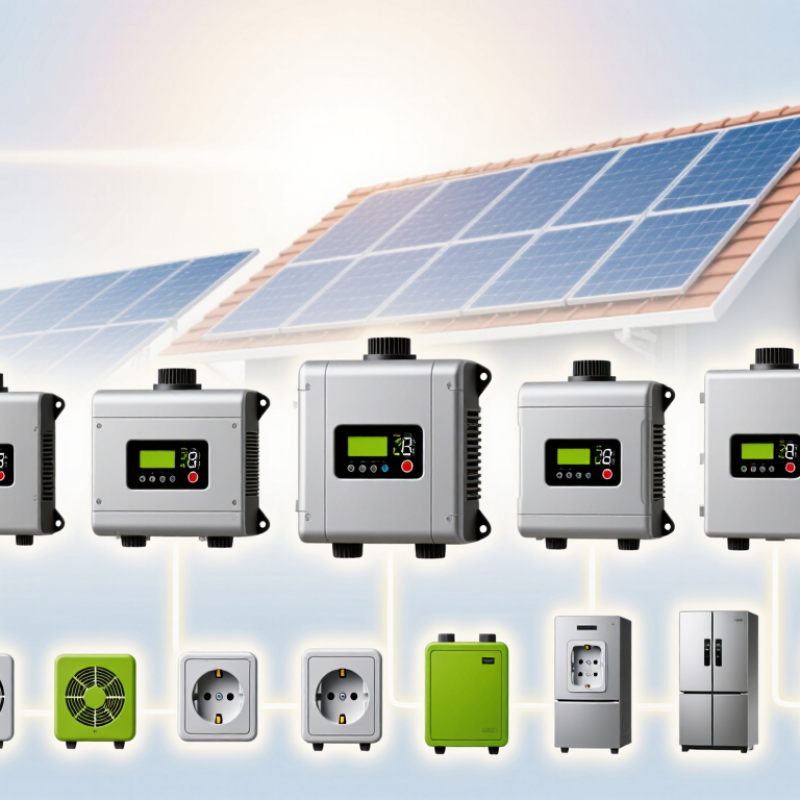
10 Best Power Inverters to Buy in 2026?
What Is a Power Inverter and How Does It Work?
A power inverter converts direct current into alternating current. Batteries and solar panels produce DC power, while household outlets use AC power. Inside the inverter, electronic switches change the current direction thousands of times per second. A filter then shapes the output into a usable waveform. It sounds simple. It is not.
The U.S. Department of Energy reports that modern inverters commonly reach about 90% to 95% efficiency. The remaining energy becomes heat, so ventilation matters. A 1,000-watt load may draw more than 1,000 watts from a battery. That difference grows during long use. Pure sine-wave models usually produce cleaner power for medical equipment, motors, and sensitive electronics. Modified sine-wave designs can cost less, but some devices may hum, overheat, or operate poorly.
The IEA Photovoltaic Power Systems Programme reported more than 400 gigawatts of new solar capacity installed globally in 2023. This growth makes inverter reliability increasingly important. When comparing a 2026 model, check continuous wattage, surge wattage, input voltage, cooling, idle consumption, and protection features. Do not trust peak wattage alone. I have seen users size an inverter for a refrigerator’s running load, then overlook its startup surge. That mistake is common. Battery chemistry, cable length, and ambient temperature also affect real performance. Specifications can look precise, but field conditions are messier.
A power inverter converts direct current (DC) from a battery or solar system into alternating current (AC) for household appliances and electronic devices. The chart compares typical peak conversion efficiency for common inverter power classes. Actual efficiency varies with load level, waveform, battery voltage, temperature, and standby consumption.
Choosing among the 10 best power inverters in 2026 requires more than comparing wattage. Start with the equipment you will actually run. A compact inverter may handle a laptop, router, or phone charger, but a refrigerator needs higher starting power. Check both continuous wattage and surge capacity. Ignore either number, and the system may shut down when the motor starts.
Waveform quality matters. Pure sine wave output is usually safer for medical equipment, audio systems, refrigerators, and sensitive electronics. Modified sine wave models can cost less, but some devices may run loudly, heat up, or fail to operate correctly. Measure the battery voltage before buying. A 12-volt inverter cannot replace a 24-volt unit without the correct system design. Efficiency also matters, especially during overnight use. Even an idle inverter consumes energy.
Look for overload, short-circuit, thermal, and low-voltage protection. Cooling fans should move air without creating excessive noise. Solid terminals and thick cables reduce heat at high loads. Certification from a recognized testing body adds useful reassurance, but it does not replace correct installation. Keep cables short, secure, and properly sized. I have seen buyers focus on peak wattage and overlook cable losses. That choice looked economical, but it produced unstable performance. Recheck your load list after purchase. Real usage often differs from the original estimate.
10 Best Power Inverters to Buy in 2026
The best power inverter in 2026 should match your actual load, not its highest advertising number. IRENA’s Renewable Capacity Statistics 2024 recorded 346 gigawatts of new solar capacity in 2023. That growth increases demand for dependable conversion equipment. For home backup, prioritize pure sine-wave output, stable voltage, and a continuous rating above your expected load. A 1,500-watt appliance may need twice that power during startup.
For a practical top-ten comparison, score each model by continuous output, surge capacity, conversion efficiency, cooling design, and protection features. Look for overload, short-circuit, thermal, and low-voltage protection. Relevant safety standards, including IEC 62109 or equivalent certification, add useful confidence. The U.S. Department of Energy also emphasizes accurate load assessment before selecting backup power equipment. Small details matter. Check cable thickness, socket spacing, display readability, and idle consumption. A silent fan sounds attractive, but poor cooling can reduce service life.
Battery compatibility deserves careful attention. NREL’s Annual Technology Baseline shows that storage costs and system designs continue changing, so compatibility can become outdated faster than expected. Some inverters perform well with lithium batteries but poorly with older battery types. That difference is easy to miss. I would also question efficiency claims measured under ideal conditions. Real performance changes with temperature, cable length, and partial loads. A slightly less powerful inverter with honest specifications may serve better than a larger, louder unit.
Choosing an inverter starts with your actual load, not its advertised wattage. Add the running watts of your refrigerator, router, lights, and tools. Then check their starting surge. A refrigerator may briefly demand two to three times its running power. A 1,000-watt inverter can fail under that sudden load. I learned this after a small inverter shut down beside a full freezer. Measure twice.
Battery voltage matters too. A 2,000-watt load draws about 167 amps from a 12-volt battery, before losses. A 24-volt system cuts that current nearly in half. The U.S. Department of Energy notes that usable storage is lower than nameplate capacity because of reserve limits and conversion losses. Leave headroom. It protects cables, fuses, and the inverter.
For sensitive electronics, choose a pure sine-wave model and check its total harmonic distortion specification. Solar users should compare maximum input voltage, MPPT range, and cold-weather panel voltage. NREL’s PVWatts model uses 96% default inverter efficiency, but real systems vary with temperature and partial loading. IRENA reported 1,419 gigawatts of global solar capacity at the end of 2023, increasing the need for properly matched equipment. Bigger is not always better. I still overbuy sometimes. That habit wastes battery capacity and money. Look for certified electrical safety testing, clear manuals, local service, and a continuous rating that fits your measured demand.
A reliable power inverter starts with correct sizing, not impressive wattage. Check the continuous load, startup surge, and battery voltage before buying. Motors, refrigerators, and pumps can briefly demand two to seven times their running power. Undersizing creates heat and nuisance shutdowns. It also shortens service life. Choose equipment tested to recognized standards, such as IEC 62109-1 or UL 458. These standards address electrical, thermal, and mechanical hazards. NFPA’s Home Structure Fires report identifies electrical distribution equipment as a significant ignition source. Keep ventilation clear, especially around enclosed battery compartments.
Installation deserves patience. Use the manufacturer’s cable gauge, fuse rating, and grounding instructions. A loose terminal can become hot enough to damage insulation. Never place an inverter beside fuel, water, or loose metal tools. A qualified electrician should inspect fixed wiring and transfer connections. The U.S. Department of Energy’s energy storage guidance emphasizes proper ventilation, disconnects, and protection against overcurrent. I once treated a flickering display as harmless. It was a weak connection. That mistake deserved a closer inspection.
Tips: Measure real loads with a meter. Leave 20% capacity headroom. Clean vents monthly. Check cables for swelling, discoloration, or cracking. Test shutdown controls periodically. Keep a maintenance log. Do not rely on memory.
It changes direct current from batteries or solar panels into alternating current for household devices.
Many modern inverters reach roughly 90% to 95% efficiency.
Pure sine wave output is usually better for motors, refrigerators, medical equipment, and sensitive electronics.
List every device you may use at the same time.
Surge wattage handles short startup demands from compressors, pumps, and motors.
Yes. The inverter’s input voltage must match the battery system.
Look for overload, short-circuit, thermal, and low-voltage protection.
Heat can reduce efficiency and shorten service life.
No. Compare continuous wattage, surge capacity, efficiency, cooling, and idle consumption.
A Power Inverter converts direct current from sources such as batteries or solar storage into alternating current that can operate household appliances, tools, and electronic devices. This guide explains how inverters work and highlights the key factors to consider when choosing one, including output waveform, continuous and surge power, efficiency, battery compatibility, portability, cooling, and built-in protection features.
It also presents ten strong Power Inverter options to consider in 2026, organized around different needs such as emergency backup, travel, outdoor use, and home energy support. Readers will learn how to match inverter capacity to their actual power requirements, calculate running and startup loads, and avoid overloading the system. The guide concludes with essential advice on safe installation, ventilation, grounding, cable selection, routine inspection, and maintenance to help ensure reliable performance and extend the equipment’s service life.
